

Introduction
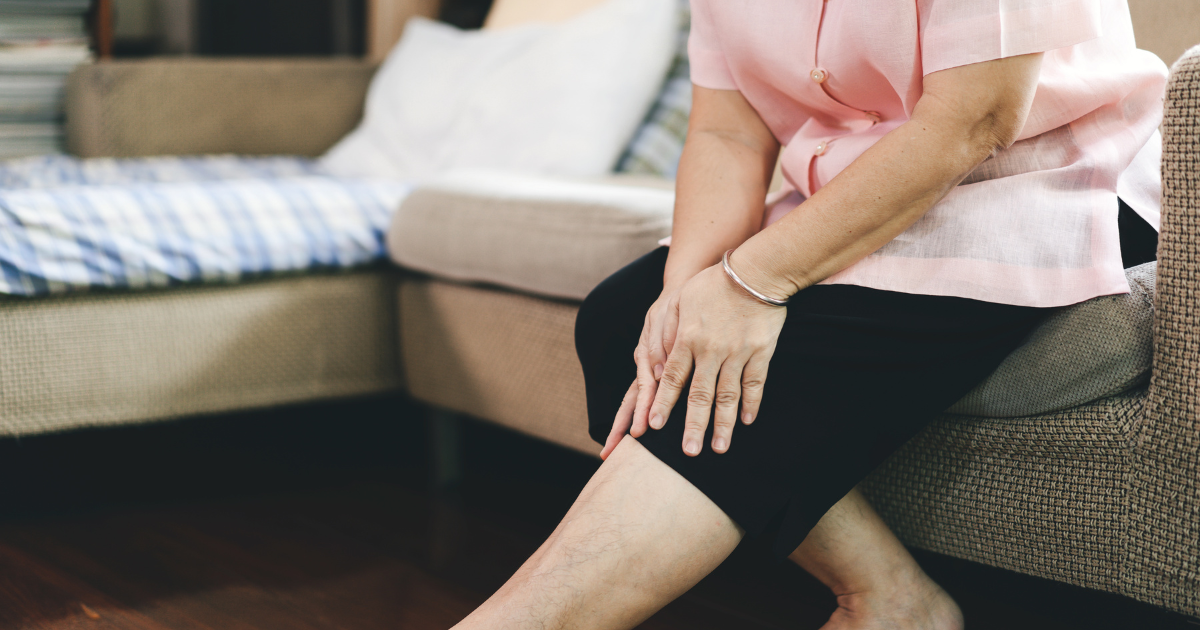
Osteoarthritis (OA) is the most common type of arthritis, affecting millions of people worldwide — especially the knees, hips, and spine. While age and genetics play a role, one of the most significant and modifiable risk factors is body weight.
Extra weight doesn’t just add pressure to your joints; it also increases inflammation, accelerates cartilage breakdown, and worsens pain. Understanding how weight affects osteoarthritis progression can empower patients to take control of their joint health.
What Is Osteoarthritis?
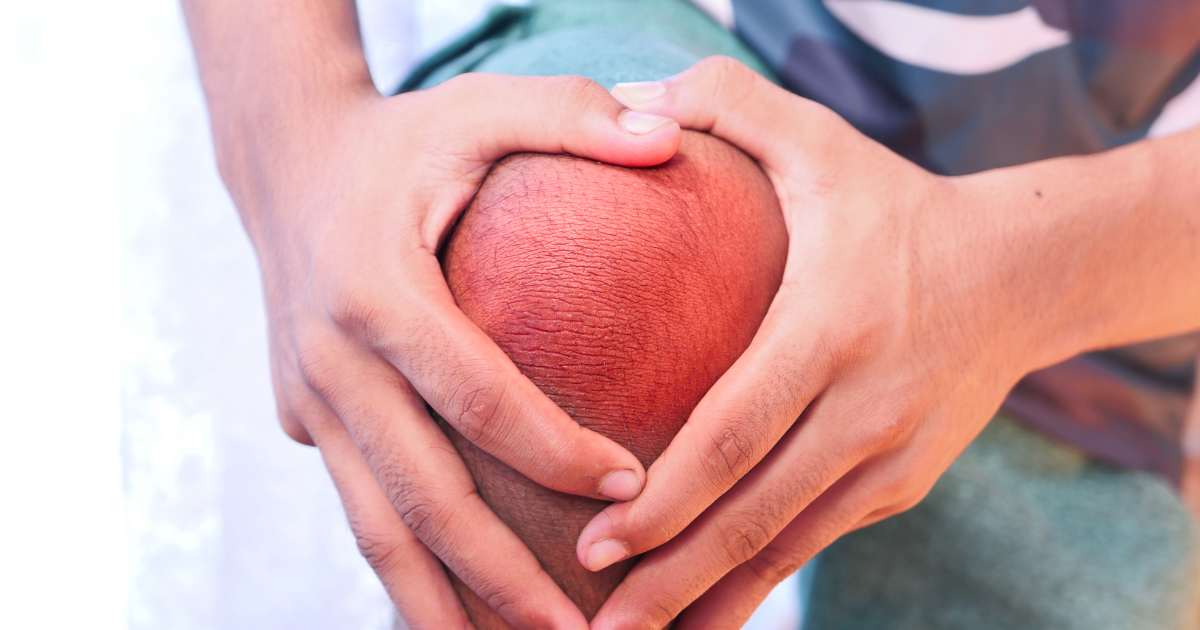
Osteoarthritis is a degenerative joint disease that occurs when the cartilage — the smooth, cushioning tissue covering the ends of bones — gradually wears down. As cartilage erodes, bones rub against each other, leading to pain, stiffness, and swelling.
OA commonly affects:
- Knees
- Hips
- Spine (lower back and neck)
- Hands
How Weight Impacts the Joints
1. Increased Mechanical Stress
Every extra kilogram of body weight puts approximately 4 kilograms of additional pressure on the knee joint while walking. This means that even a modest increase in weight significantly raises joint stress during daily activities like climbing stairs or squatting.
Over time, this pressure accelerates cartilage damage and joint degeneration, particularly in weight-bearing joints such as the knees and hips.
2. Fat Tissue and Inflammation
Many people assume that excess weight affects joints only through pressure — but that’s not the full story. Fat tissue is biologically active; it releases chemicals called adipokines that promote inflammation in the body.
This inflammation contributes to:
- Cartilage breakdown
- Joint pain and swelling
- Faster progression of osteoarthritis
Thus, obesity doesn’t just “wear out” joints mechanically — it also triggers chemical changes that damage them from within.
3. Muscle Weakness and Joint Instability
Obesity often reduces muscle strength and flexibility. Weak muscles around the joints — especially the quadriceps in the knees — make it harder to stabilize and support movement.
This instability increases the risk of:
- Falls or injuries
- Faster joint degeneration
- Reduced range of motion
Strengthening muscles through low-impact exercises can offset some of these risks.
The Weight–Pain Connection
People with higher body mass index (BMI) commonly report more joint pain even in early osteoarthritis. The combination of physical strain and inflammation increases pain sensitivity in affected joints.
Moreover, excess weight may limit physical activity, creating a vicious cycle — less movement leads to weaker muscles, which worsens pain and stiffness.
Scientific Evidence
Numerous studies have confirmed that weight plays a direct role in osteoarthritis progression:
- Losing just 5–10% of body weight can significantly reduce knee pain and improve mobility.
- According to research published in Arthritis & Rheumatology, each 1 kg of weight loss reduces knee load by 4 kg per step.
- Weight management also lowers systemic inflammation markers, which helps protect cartilage.
How Weight Loss Slows Osteoarthritis Progression
1. Reduced Joint Load
Even modest weight loss reduces the mechanical stress on joints, slowing cartilage wear and tear.
2. Improved Inflammatory Balance
Less fat tissue means fewer inflammatory molecules (cytokines and adipokines), allowing the body to heal more effectively.
3. Better Mobility and Flexibility
With less weight, movement becomes easier, encouraging more exercise — which in turn strengthens muscles and lubricates joints.
4. Enhanced Treatment Effectiveness
Physical therapy, medication, and injections work more effectively when joint stress is reduced.
Practical Weight Management Tips for Osteoarthritis Patients
1. Focus on a Balanced Diet
- Emphasize fruits, vegetables, lean protein, and whole grains.
- Avoid processed foods, refined sugars, and trans fats.
- Include anti-inflammatory foods such as turmeric, omega-3-rich fish, flaxseeds, and green tea.
2. Choose Low-Impact Exercises
High-impact workouts can harm joints, so choose gentle yet effective options:
- Walking
- Cycling
- Swimming or aqua therapy
- Yoga and stretching exercises
Regular physical activity also boosts mental health and maintains joint flexibility.
3. Track Your Weight and Progress
Small, consistent changes matter more than drastic diets.
Set realistic goals — even 2–3 kg weight loss can make a big difference for knee and hip joints.
4. Consult a Rheumatologist or Physiotherapist
A specialist can design a personalized weight-management plan considering your age, joint health, and overall fitness level.
When to Seek Medical Help
If you experience any of the following symptoms, consult your doctor:
- Persistent joint pain or swelling
- Morning stiffness lasting over 30 minutes
- Difficulty walking or standing
- Sudden increase in joint deformity or instability
Early intervention helps prevent permanent joint damage.
Conclusion
Weight has a profound effect on the progression and symptoms of osteoarthritis. Extra kilos not only put mechanical stress on your joints but also create a chemical environment that worsens inflammation.
The good news is that even small, sustainable weight loss can dramatically improve pain, mobility, and quality of life.
By maintaining a healthy diet, exercising regularly, and seeking timely medical advice, you can slow osteoarthritis progression and protect your joints for years to come.
FAQs
1. Can losing weight reverse osteoarthritis?
No, but it can significantly slow progression and reduce pain.
2. Is walking safe for overweight OA patients?
Yes, walking is a low-impact exercise that strengthens muscles and improves joint function.
3. How much weight loss helps knee osteoarthritis?
Even a 5–10% reduction in body weight can make a noticeable difference in pain and mobility.
4. Can diet alone manage osteoarthritis?
Diet helps, but combining it with exercise and medical treatment gives the best results.
5. Should obese patients consider joint replacement early?
Surgery should be the last resort; weight management and non-surgical treatments are preferred first.