

Sjogren’s Syndrome is a chronic autoimmune disease in which the immune system mistakenly attacks the body’s moisture-producing glands, mainly the salivary glands (mouth) and lacrimal glands (eyes). It is most commonly associated with dry eyes and dry mouth.
However, an important and often overlooked question is:
Can Sjogren’s Syndrome exist without dryness?
The answer is yes. Some patients develop Sjogren’s without noticeable dryness in the early or even middle stages of the disease. This form is often underdiagnosed and misunderstood.
What Is Sjogren’s Syndrome?
Sjogren’s Syndrome is an autoimmune disorder where immune cells attack:
- Salivary glands
- Tear-producing glands
- Sometimes other organs such as joints, lungs, kidneys, nerves, and skin
It is classified into two types:
Primary Sjogren’s Syndrome
Occurs alone without another autoimmune disease.
Secondary Sjogren’s Syndrome
Occurs alongside another autoimmune condition such as Rheumatoid Arthritis (RA) or Systemic Lupus Erythematosus (SLE).
Can Sjogren’s Occur Without Dryness?
Yes, it is possible.
Some patients do not experience obvious dryness of the eyes or mouth but still have active Sjögren’s disease affecting other organs. This is sometimes referred to as:
“Sjogren’s without sicca symptoms”
(Sicca = dryness)
In such cases, the disease may mainly involve joints, nerves, lungs, kidneys, or cause severe fatigue rather than glandular dryness.
Symptoms of Sjogren’s Without Dryness
Patients without dryness may experience a wide range of symptoms:
1. Joint Pain and Inflammation
- Morning stiffness
- Swollen fingers or wrists
- Pain similar to rheumatoid arthritis
2. Severe Fatigue
- Persistent tiredness
- Low energy even after rest
- Reduced daily functioning
3. Nerve-Related Symptoms (Neuropathy)
- Burning sensation in hands or feet
- Numbness
- Tingling or electric-shock-like pain
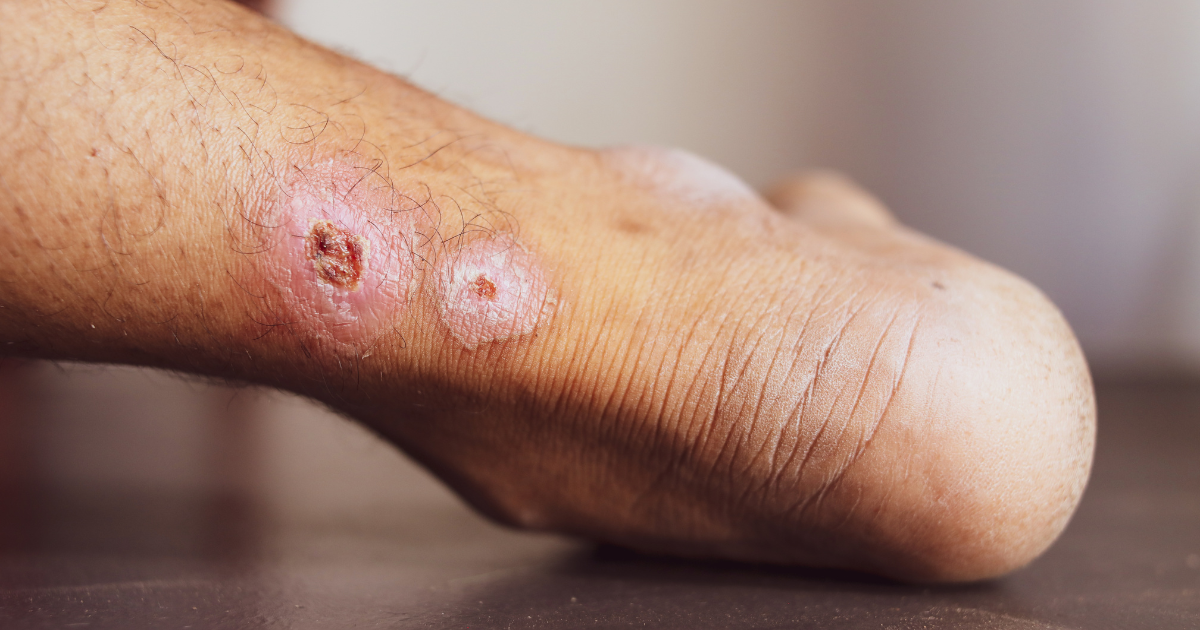
4. Skin Manifestations
- Dry or itchy skin
- Rashes
- Purpura (small purple spots)
5. Lung Involvement
- Shortness of breath
- Chronic cough
- Interstitial lung disease
6. Kidney Involvement
- Frequent urination
- Electrolyte imbalance
- Weakness and dehydration
7. Brain Fog and Cognitive Issues
- Difficulty concentrating
- Memory problems
- Mental fatigue
Why Dryness May Not Appear Initially
1. Early Stage of Disease
In early Sjögren’s:
- Glands are not fully damaged
- Tear and saliva production may still be adequate
2. Selective Organ Involvement
In some patients:
- The immune system targets nerves, joints, or lungs first
- Gland involvement develops later
3. Secondary Sjogren’s Syndrome
When Sjögren’s occurs with another autoimmune disease:
- Dryness may not be the main symptom
- Systemic features may dominate
How Is Sjogren’s Diagnosed Without Dryness?
Diagnosis can be challenging when dryness is absent.
Blood Tests
- ANA (Antinuclear Antibody)
- Anti-Ro (SSA)
- Anti-La (SSB)
- Rheumatoid Factor
Inflammatory Markers
- ESR
- CRP
Eye Tests
- Schirmer’s test (measures tear production)
- Ocular staining
Salivary Gland Biopsy
- Minor salivary gland (lip biopsy) shows lymphocytic infiltration
Imaging Studies
- Salivary gland ultrasound
- CT or MRI when organs are involved
Why Diagnosis Is Often Delayed
Because dryness is missing, symptoms may be mistaken for:
- Stress or anxiety
- Vitamin deficiency
- Fibromyalgia
- Chronic fatigue syndrome
This leads to:
Delayed or missed diagnosis, sometimes for years.
Such cases are sometimes called:
“Hidden Sjogren’s Syndrome.”
Treatment of Sjogren’s Without Dryness
Treatment depends on which organs are affected.
For Joint Pain
- Pain relievers
- Anti-inflammatory drugs
- Disease-modifying drugs (DMARDs)
For Nerve Involvement
- Neuropathic pain medications
- Immunosuppressive therapy
For Organ Involvement
- Corticosteroids
- Immunomodulators
- Regular organ monitoring
The main goal is to control immune activity and prevent permanent organ damage.
Can Dryness Develop Later?
Yes.
Some patients initially present without dryness but later develop:
- Dry eyes
- Dry mouth
- Dental problems
- Eye irritation
This reflects progression of gland involvement over time.
Lifestyle Measures to Support Health
Healthy Diet
- Anti-inflammatory foods
- Fruits, vegetables, omega-3 fatty acids
Regular Exercise
- Walking
- Yoga
- Stretching
Stress Reduction
- Meditation
- Adequate sleep
- Mindfulness
Regular Screening
- Blood tests
- Dental checkups
- Eye exams
- Kidney and lung monitoring
When Should You Suspect Sjogren’s Without Dryness?
You should consider evaluation if you have:
- Persistent fatigue
- Unexplained joint pain
- Nerve symptoms
- Lung or kidney abnormalities
- Positive autoimmune blood tests
Even if your eyes and mouth do not feel dry.
Conclusion
Sjögren’s Syndrome can exist without dryness.
Although dry eyes and dry mouth are classic features, they are not required for diagnosis. In some patients, Sjögren’s first appears as:
- Joint inflammation
- Nerve damage
- Lung disease
- Kidney problems
- Severe fatigue
Recognizing this form early allows:
- Timely treatment
- Prevention of organ damage
- Improved quality of life
Sjögren’s is a systemic autoimmune disease — not just a “dryness disorder.”
FAQ Section
1. Can Sjogren’s Syndrome occur without dry eyes and dry mouth?
Yes. Some patients develop Sjögren’s without noticeable dryness, especially in early stages. Instead, they may have joint pain, fatigue, or nerve symptoms.
2. What are the main symptoms of Sjogren’s without dryness?
Common symptoms include joint pain, severe fatigue, numbness or tingling in hands and feet, lung problems, kidney issues, and brain fog.
3. Why is Sjogren’s without dryness difficult to diagnose?
Because classic dryness symptoms are missing, the condition is often mistaken for stress, vitamin deficiency, or fibromyalgia, leading to delayed diagnosis.
4. Is treatment different for Sjogren’s without dryness?
Treatment depends on which organs are affected. It focuses on controlling immune activity and preventing organ damage rather than only treating dryness.
5. Is Sjogren’s without dryness considered a mild form of the disease?
Not always. Some patients without dryness may have serious organ involvement, making early diagnosis and treatment very important.