
Introduction
Dermatomyositis is a rare autoimmune disease that primarily affects the skin and muscles. It occurs when the body’s immune system mistakenly attacks healthy tissue, leading to inflammation, muscle weakness, and characteristic skin changes.
While muscle weakness is often the first symptom people notice, skin changes can be an early warning sign. Recognizing these changes early allows patients to seek prompt diagnosis and treatment, potentially preventing complications.
What Is Dermatomyositis?
Dermatomyositis is part of a group of diseases called inflammatory myopathies, which cause inflammation of muscles and connective tissues. It can occur in adults (adult-onset dermatomyositis) or in children (juvenile dermatomyositis).
The disease affects both men and women, but studies show it is more common in women. Skin involvement is often visible before muscle weakness develops, making skin symptoms a key diagnostic clue.
Common Skin Changes in Dermatomyositis
- Heliotrope Rash
- A purple or reddish discoloration that appears on the upper eyelids.
- Often accompanied by swelling or puffiness around the eyes.
- This is considered a hallmark sign of dermatomyositis.
- Gottron’s Papules
- Raised, scaly, reddish-purple bumps that appear over knuckles, elbows, knees, or other joints.
- Can be itchy or mildly painful.
- One of the most characteristic skin features of the disease.
- Shawl Sign
- A reddish or purplish rash over the shoulders, upper back, and neck.
- Resembles a shawl draped over the upper body.
- Often worsens after sun exposure due to photosensitivity.
- V Sign
- Rash that appears over the chest in a V-shaped pattern, usually after sun exposure.
- Another common photosensitive rash associated with dermatomyositis.
- Mechanic’s Hands
- Thickened, rough skin on the sides of the fingers and palms, sometimes with cracks or fissures.
- Typically seen in patients with an overlap of dermatomyositis and antisynthetase syndrome.
- Other Rashes
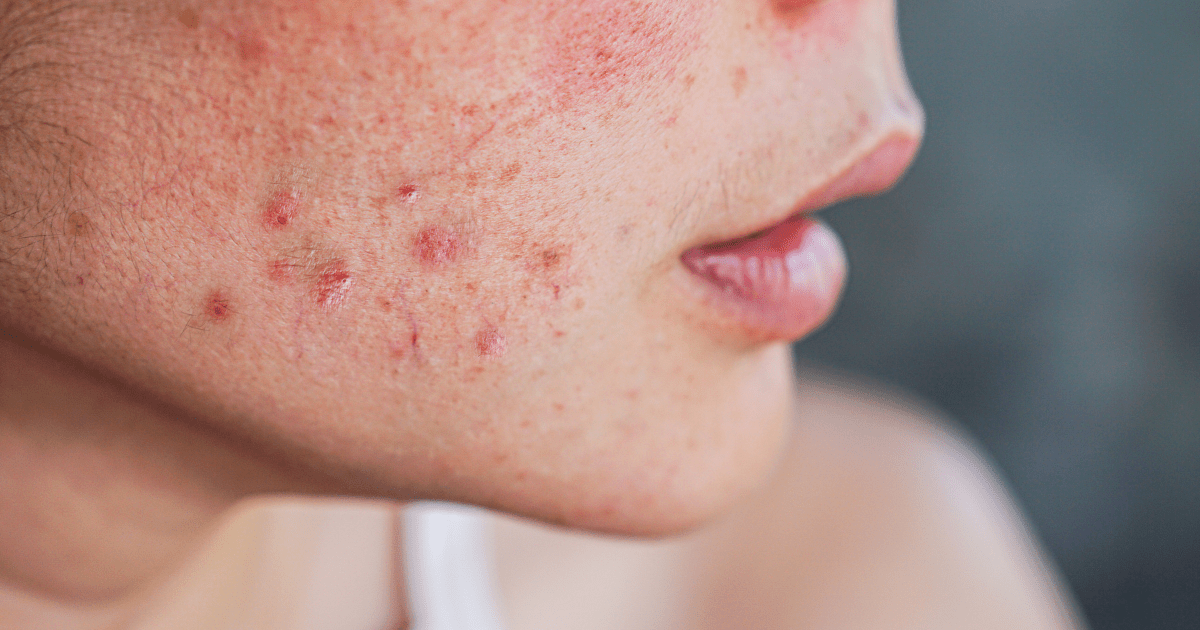
- Red or violet rashes on the knees, elbows, or back of hands.
- Skin may appear scaly, rough, or inflamed.
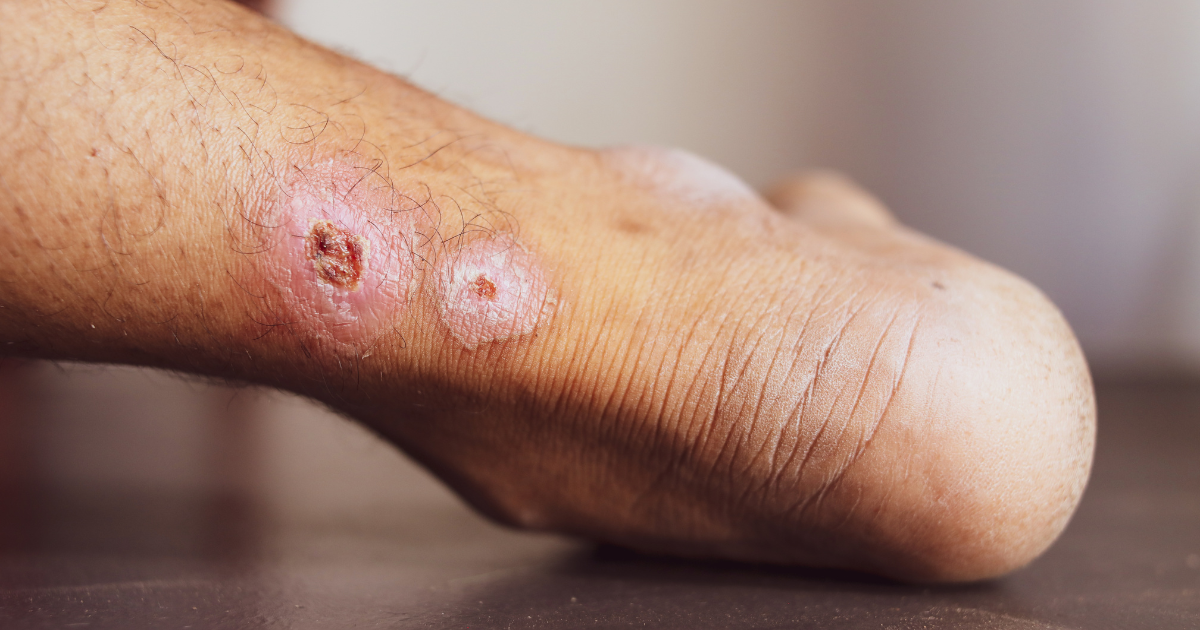
- Rarely, ulcers may develop, indicating severe disease.
Symptoms Often Associated with Skin Changes
Skin symptoms rarely occur in isolation. Patients may also notice:
- Muscle weakness, especially in shoulders, hips, and neck.
- Fatigue and low energy levels.
- Difficulty swallowing if throat muscles are involved.
- Joint pain or swelling in some cases.
Recognizing the combination of skin changes with muscle symptoms helps doctors diagnose dermatomyositis more accurately.
Why Early Recognition Matters
Early identification of dermatomyositis is crucial for several reasons:
- Preventing Muscle Damage
- If untreated, inflammation can cause permanent muscle weakness and loss of mobility.
- Reducing Skin Complications
- Photosensitive rashes can worsen over time, causing pain, scarring, or skin infections.
- Screening for Associated Conditions
- Dermatomyositis may be associated with lung disease or certain cancers, particularly in adults.
- Early diagnosis allows for screening and preventive care.
Diagnosis of Dermatomyositis
Diagnosis is based on clinical examination, blood tests, imaging, and sometimes skin or muscle biopsy.
- Blood Tests:
- Elevated muscle enzymes like CK (creatine kinase) or aldolase.
- Autoantibodies that may indicate specific disease subtypes.
- Skin or Muscle Biopsy:
- Confirms inflammation in tissues and differentiates from other skin or muscle conditions.
- MRI or Electromyography (EMG):
- Helps identify affected muscles and the extent of inflammation.
Doctors often look at skin changes as an early clue, which, combined with muscle weakness and lab findings, leads to a definitive diagnosis.
Treatment Options
While dermatomyositis cannot be completely cured, early treatment can control symptoms and improve quality of life.
1. Medications
- Corticosteroids: Reduce inflammation quickly, often used as initial therapy.
- Immunosuppressive Drugs: Methotrexate, Azathioprine, and Mycophenolate mofetil help control the immune response.
- Biologics: Rituximab or other newer agents may be used in resistant cases.
2. Skin Care
- Apply broad-spectrum sunscreen daily, as sun exposure worsens rashes.
- Use gentle, fragrance-free moisturizers to prevent dryness and cracking.
- Avoid hot showers and harsh soaps that irritate sensitive skin.
3. Physical Therapy
- Regular exercise under guidance helps maintain muscle strength and mobility.
- Stretching, low-impact exercises, and physiotherapy prevent stiffness and functional decline.
4. Lifestyle Adjustments
- Balanced diet rich in anti-inflammatory foods.
- Adequate rest to manage fatigue.
- Stress reduction techniques like yoga, meditation, or deep breathing.
When to See a Doctor
See a doctor immediately if you notice:
- Purple or reddish rashes on eyelids, hands, or chest.
- Sudden muscle weakness or difficulty lifting arms or walking.
- Ulcerated skin or non-healing sores.
- Shortness of breath or persistent cough (possible lung involvement).
Early medical attention can prevent complications and improve long-term outcomes.
FAQs
1. Are skin changes always the first symptom?
Not always. Some patients develop muscle weakness first, but skin changes are often the earliest visible sign.
2. Is dermatomyositis contagious?
No, it is an autoimmune condition and cannot be transmitted from person to person.
3. Can sun exposure trigger dermatomyositis rashes?
Yes, most rashes worsen with sunlight due to photosensitivity.
4. Is dermatomyositis common in children?
Yes, juvenile dermatomyositis can affect children, often presenting with similar skin rashes and muscle weakness.
5. Can treatment reverse skin changes?
With early treatment, rashes can improve significantly, though some pigmentation or scarring may persist.
Conclusion
Dermatomyositis is a rare but serious autoimmune disease where skin changes often serve as an early warning. By recognizing these rashes, bumps, and discoloration early, patients can seek timely medical care, start treatment, and prevent severe muscle or organ complications.
Regular check-ups, proper skin care, medications, and lifestyle adjustments are essential for managing the disease and maintaining a good quality of life.