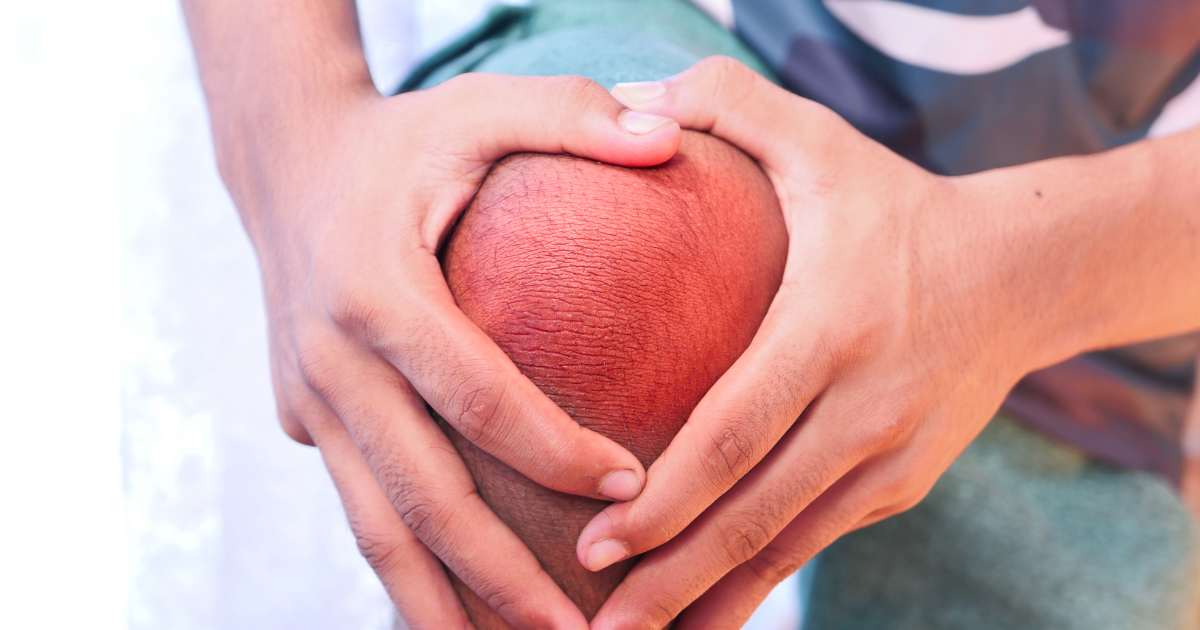


Osteoarthritis (OA) is often seen as a disease of old age, but in recent years, more and more young adults in their 20s, 30s, and 40s are being diagnosed with it. This trend is worrying because osteoarthritis can affect daily life, work, and long-term mobility if not managed early.
So why is osteoarthritis appearing at such a young age? Let’s explore the top 5 reasons why young adults are getting osteoarthritis and what can be done to prevent it.
1. Sedentary Lifestyle and Lack of Physical Activity
One of the biggest reasons is a sedentary lifestyle.
Many young adults:
- Sit for long hours at desks
- Spend excessive time on phones and laptops
- Exercise very little
How this leads to osteoarthritis:
- Weak muscles fail to support joints properly
- Poor blood supply to cartilage
- Increased joint stiffness
When joints are not used properly, cartilage becomes weak and more prone to damage.
Prevention tip:
Do regular low-impact exercises like walking, swimming, cycling, and stretching. Avoid sitting continuously for long periods.
2. Obesity and Weight Gain at a Young Age
Rising obesity rates among young adults are strongly linked to early osteoarthritis, especially of the knees and hips.
Why weight matters:
- Every extra kilogram increases pressure on knee joints
- Fat tissue produces inflammatory chemicals
- Faster cartilage wear and tear
Young people with obesity are much more likely to develop knee osteoarthritis earlier in life.
Prevention tip:
Maintain a healthy weight through balanced diet and regular exercise.
3. Sports Injuries and Joint Trauma
Many young adults are active in sports, gym workouts, or physically demanding jobs. While physical activity is healthy, injuries to joints increase the risk of osteoarthritis later.
Common risky injuries:
- Ligament tears (ACL)
- Meniscus injuries
- Fractures involving joints
- Repeated sprains
How injuries cause OA:
- Joint alignment changes
- Cartilage gets damaged
- Early joint degeneration starts
Prevention tip:
Treat joint injuries properly and avoid returning to sports without full recovery.
4. Poor Posture and Wrong Body Mechanics
Modern lifestyle has led to:
- Bad sitting posture
- Slouching while using mobile phones
- Improper lifting techniques
- Wrong sleeping positions
Effects on joints:
- Unequal pressure on joints
- Spine and knee stress
- Early cartilage breakdown
This is a major reason for spine and knee osteoarthritis in young adults.
Prevention tip:
Maintain good posture, use ergonomic chairs, and avoid lifting heavy weights incorrectly.
5. Nutritional Deficiencies and Unhealthy Diet
Diet plays a key role in joint health. Many young adults consume:
- Junk food
- Sugary drinks
- Processed foods
- Low-protein meals
They often lack:
- Vitamin D
- Calcium
- Omega-3 fatty acids
- Antioxidants
How this affects joints:
- Weak bones
- Poor cartilage repair
- Increased inflammation
Prevention tip:
Eat balanced meals with fruits, vegetables, nuts, seeds, fish, and dairy products.
Early Signs of Osteoarthritis in Young Adults
Recognizing symptoms early can prevent serious damage:
- Joint pain after activity
- Morning stiffness
- Swelling around joints
- Cracking or popping sounds
- Reduced flexibility
These symptoms should not be ignored, especially in young age.
Why Early Osteoarthritis Is a Serious Problem
If untreated, early osteoarthritis can lead to:
- Chronic pain
- Reduced mobility
- Difficulty working
- Emotional stress
- Early need for joint replacement surgery
That’s why awareness and early action are very important.
How Young Adults Can Protect Their Joints
Here are simple steps to reduce risk:
✔ Exercise regularly (low-impact)
✔ Maintain healthy body weight
✔ Avoid joint injuries
✔ Correct posture and ergonomics
✔ Eat joint-friendly foods
✔ Stay hydrated
✔ Get sunlight for vitamin D
Small lifestyle changes can make a big difference.
When Should a Young Adult See a Doctor?
You should consult a doctor if:
- Joint pain lasts more than 2–3 weeks
- Pain worsens with time
- Swelling or stiffness appears regularly
- Movement becomes difficult
Early diagnosis allows:
✔ Better pain control
✔ Slower disease progression
✔ Avoidance of surgery
✔ Improved quality of life
Conclusion
Osteoarthritis is no longer just an “old age disease.” Young adults are getting osteoarthritis due to sedentary lifestyle, obesity, injuries, poor posture, and unhealthy diet. The good news is that most of these causes are preventable.
By staying active, eating well, and caring for your joints early, you can protect yourself from early osteoarthritis and enjoy a healthier, pain-free life.
Frequently Asked Questions (FAQ)
1. Can young adults really get osteoarthritis?
Yes. Osteoarthritis can occur in young adults due to obesity, joint injuries, poor posture, lack of exercise, and unhealthy diet.
2. What is the most common cause of osteoarthritis in young people?
The most common causes are sedentary lifestyle, weight gain, and previous joint injuries.
3. Is osteoarthritis in young age permanent?
Osteoarthritis cannot be cured, but early diagnosis and lifestyle changes can slow progression and reduce pain.
4. Which joints are commonly affected in young adults?
The most affected joints are:
- Knees
- Hips
- Lower back (spine)
- Neck
- Hands
5. Is osteoarthritis linked to vitamin D deficiency?
Yes. Vitamin D deficiency can weaken bones and joints and may increase the risk of osteoarthritis.