

Introduction
Vasculitis is a group of inflammatory diseases in which the body’s immune system attacks blood vessels, causing inflammation and damage. Because healthy blood vessels are essential for normal circulation, inflammation can affect how blood flows through the body. One important but often overlooked complication is blood clot formation, also known as thrombosis.
So, can vasculitis cause blood clots? Yes. Research shows that people with some forms of systemic vasculitis, particularly ANCA-associated vasculitis, can have an increased risk of venous and arterial blood clots. The risk appears to be particularly important when the disease is highly active.
Blood clots can develop in deep veins, travel to the lungs, or affect arteries supplying important organs. Understanding the connection between vasculitis and blood clots can help patients recognize warning signs and seek medical attention promptly.
What Is a Blood Clot?
A blood clot forms when blood changes from a liquid into a thicker, gel-like mass. Normal clotting is important because it prevents excessive bleeding after an injury. However, a clot that forms inside an otherwise uninjured blood vessel can block normal blood flow and become dangerous.
There are two broad types of blood clots:
Venous Blood Clots
These form in veins and are collectively called venous thromboembolism (VTE).
The two main types are:
- Deep vein thrombosis (DVT): A clot, usually in a deep vein of the leg.
- Pulmonary embolism (PE): A clot that travels to the lungs and blocks blood flow.
Arterial Blood Clots
These develop in arteries and can reduce blood supply to organs. Depending on where the clot occurs, it may contribute to problems such as stroke, heart attack, or limb ischemia.
Why Can Vasculitis Increase the Risk of Blood Clots?
Vasculitis involves inflammation and injury of blood vessel walls. Inflammation can create conditions that make the blood more likely to clot.
Several mechanisms may contribute:
1. Inflammation Activates the Clotting System
During active vasculitis, inflammatory signals can activate blood-clotting pathways. This may create a more pro-thrombotic or hypercoagulable state.
2. Blood Vessel Damage
Inflammation can injure the inner lining of blood vessels. Damaged blood vessels can become more prone to clot formation.
3. Increased Immune System Activity
In ANCA-associated vasculitis, activated immune cells, particularly neutrophils, can contribute to processes involved in thrombosis. Research has identified mechanisms involving tissue factor and neutrophil extracellular traps that may promote clot formation.
4. Reduced Mobility
During a severe vasculitis flare, pain, weakness, hospitalization, or fatigue may cause a person to remain inactive for long periods. Reduced movement can increase the risk of venous blood clots.
5. Other Risk Factors
A person with vasculitis may also have other factors that increase clot risk, such as obesity, smoking, previous blood clots, certain medications, prolonged hospitalization, or other medical conditions.
How Common Are Blood Clots in Vasculitis?
The risk varies considerably depending on the type of vasculitis and individual circumstances.
A meta-analysis found an increased risk of venous thromboembolism in several systemic vasculitides, including granulomatosis with polyangiitis, polyarteritis nodosa, and giant cell arteritis.
In a meta-analysis of ANCA-associated vasculitis, the pooled incidence of venous thromboembolism was approximately 12.4%, with deep vein thrombosis accounting for about two-thirds of reported events and pulmonary embolism accounting for roughly one-quarter. Higher disease activity and kidney involvement were among the factors associated with increased risk.
These figures do not mean that every person with vasculitis will develop a blood clot. Individual risk depends on disease type, activity, organ involvement, and other clotting risk factors.
When Is the Risk of Blood Clots Highest?
Blood clot risk may be particularly important during active vasculitis.
One study of ANCA-associated vasculitis found that the incidence of venous thromboembolism increased substantially during periods of active disease.
Another study found associations between thromboembolic events and markers of disease activity, including elevated CRP and certain organ manifestations.
This is one reason controlling vasculitis is important—not only to protect organs from inflammation but also to reduce complications associated with uncontrolled disease.
Warning Signs of Deep Vein Thrombosis
A deep vein thrombosis (DVT) often occurs in a deep vein in the leg.
Possible symptoms include:
- Swelling in one leg
- Pain or tenderness in the calf or thigh
- Warmth over the affected area
- Redness or discoloration
- A feeling of heaviness in the leg
However, DVT does not always cause obvious symptoms.
If you develop sudden swelling or unexplained pain in one leg, particularly if you have active vasculitis or other risk factors for thrombosis, seek medical advice promptly.
Warning Signs of Pulmonary Embolism
A pulmonary embolism occurs when a blood clot travels to the lungs.
Possible symptoms include:
- Sudden shortness of breath
- Chest pain, particularly with breathing
- Rapid heartbeat
- Coughing
- Coughing up blood
- Dizziness or fainting
Sudden severe breathing difficulty, chest pain, fainting, or coughing up blood requires emergency medical attention.
Do not assume these symptoms are simply part of your vasculitis.
Can Vasculitis Cause Arterial Blood Clots?
Yes. Vasculitis can be associated with both venous and arterial thrombosis. Inflammation and damage to arteries can interfere with normal blood flow and contribute to ischemic complications.
Depending on the affected artery, symptoms may include:
- Sudden weakness or numbness
- Difficulty speaking
- Sudden vision changes
- Chest pain
- Severe pain or coldness in an arm or leg
A sudden neurological symptom may indicate a stroke and requires immediate emergency care.
Which Vasculitis Types Are Associated With Clotting?
Blood clotting has been reported with several types of systemic vasculitis.
It has been particularly studied in:
- ANCA-associated vasculitis
- Granulomatosis with polyangiitis
- Microscopic polyangiitis
- Giant cell arteritis
- Polyarteritis nodosa
- Behçet’s disease
The relationship differs between diseases. For example, thrombosis is a recognized manifestation of Behçet’s disease, while venous thromboembolism has also been studied extensively in ANCA-associated vasculitis.
How Is a Blood Clot Diagnosed?
If your doctor suspects a blood clot, the evaluation depends on your symptoms and the suspected location of the clot.
Tests may include:
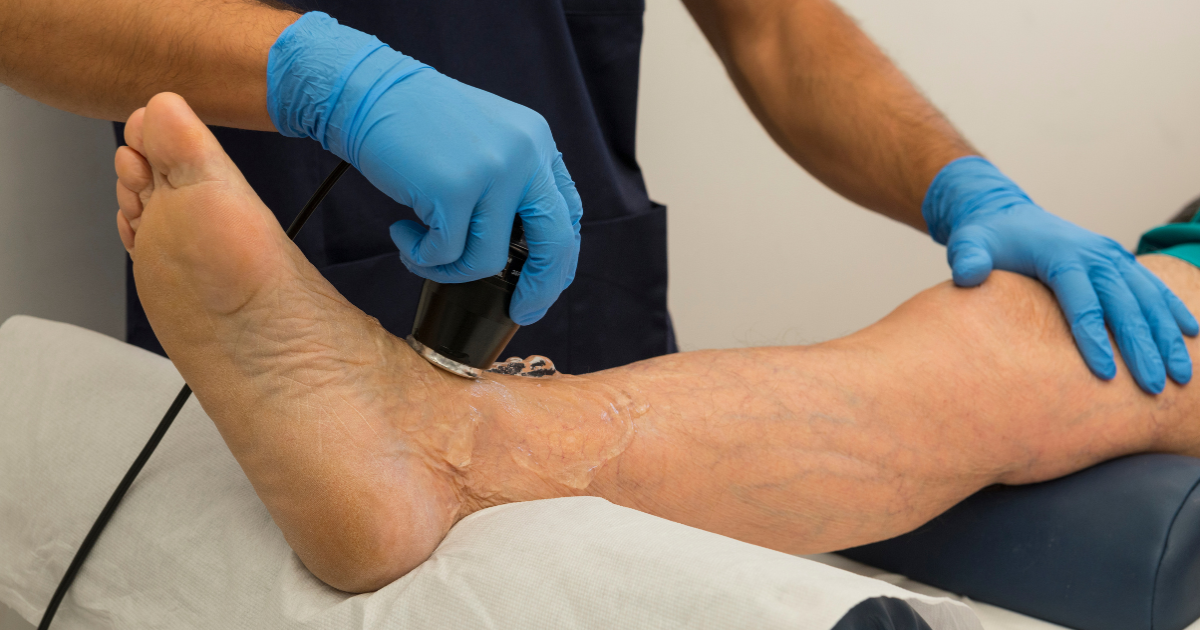
Doppler Ultrasound
Often used to detect DVT in the legs.
CT Pulmonary Angiography
May be used when pulmonary embolism is suspected.
Blood Tests
A D-dimer test may sometimes be useful, although it is not specific for a blood clot and may be affected by inflammation and other conditions.
Other Imaging Tests
Depending on symptoms, doctors may use CT, MRI, angiography, or other specialized investigations.
How Are Blood Clots Treated in Vasculitis?
Treatment depends on the type and location of the clot and the activity of the underlying vasculitis.
Anticoagulant Medicines
Blood thinners, also called anticoagulants, are commonly used to prevent an existing clot from growing and to reduce the risk of new clots.
Treating the Underlying Vasculitis
Controlling the inflammation is also important. Depending on the type and severity of vasculitis, treatment may include corticosteroids, immunosuppressive medicines, or biologic therapies.
Research suggests that managing active vasculitis is an important component of addressing the increased thrombotic risk associated with the disease.
Do not start aspirin, anticoagulants, or any blood-thinning medicine without medical advice. These medicines can cause serious bleeding in some situations.
How Can Vasculitis Patients Reduce Their Risk?
You cannot prevent every blood clot, but several measures may help reduce overall risk.
Keep Vasculitis Under Control
Follow your treatment plan and attend regular appointments.
Stay Physically Active
Gentle movement and walking can help maintain circulation when medically appropriate.
Avoid Prolonged Inactivity
During travel or periods of sitting, ask your doctor whether movement breaks or other preventive measures are appropriate for you.
Maintain a Healthy Weight
Excess weight can contribute to several cardiovascular and clotting risk factors.
Avoid Smoking
Smoking damages blood vessels and increases cardiovascular risk.
Manage Other Health Conditions
Keep conditions such as high blood pressure, diabetes, and high cholesterol under appropriate medical control.
When Should You Seek Emergency Care?
Seek immediate medical attention if you experience:
- Sudden shortness of breath
- Severe or unexplained chest pain
- Coughing up blood
- Fainting or severe dizziness
- Sudden weakness on one side of the body
- Sudden difficulty speaking
- Sudden vision loss
- A cold, pale, or severely painful limb
These symptoms can indicate a potentially life-threatening blood clot or another vascular emergency.
Conclusion
Can vasculitis cause blood clots? Yes, it can increase the risk of thrombosis, particularly in certain systemic forms of vasculitis and during periods of active disease. Inflammation, blood vessel injury, immune-system activation, and reduced mobility can all contribute to this risk.
However, having vasculitis does not mean that you will necessarily develop a blood clot. The risk varies according to the type of vasculitis, disease activity, organ involvement, and individual risk factors.
Recognizing symptoms of DVT, pulmonary embolism, stroke, and other vascular complications is important. Just as importantly, keeping vasculitis under good control through appropriate medical treatment and regular monitoring can help reduce complications.
If you have vasculitis and develop new swelling, unexplained leg pain, chest pain, sudden breathlessness, or neurological symptoms, do not ignore them. Prompt medical evaluation can make an important difference.
Frequently Asked Questions
1. Does vasculitis always cause blood clots?
No. Most people with vasculitis will not necessarily develop blood clots. However, some forms of vasculitis, particularly ANCA-associated vasculitis, are associated with a higher risk of thrombosis.
2. Are blood clots more common during a vasculitis flare?
Evidence suggests that thromboembolic events are particularly associated with active vasculitis.
3. Can vasculitis cause deep vein thrombosis?
Yes. Deep vein thrombosis is one of the venous thromboembolic complications reported in systemic vasculitis.
4. Can blood clots be prevented in vasculitis?
Risk can sometimes be reduced by controlling disease activity, staying appropriately active, managing cardiovascular risk factors, and addressing individual clotting risks with your healthcare team. Preventive blood thinners are not appropriate for everyone.
5. Should every vasculitis patient take a blood thinner?
No. Anticoagulants are prescribed based on an individual’s clotting risk, bleeding risk, and medical circumstances. They should not be started without medical supervision.