

Introduction
Vasculitis is a group of rare disorders that cause inflammation of blood vessels. This inflammation can lead to narrowing, weakening, or even scarring of blood vessels, ultimately affecting blood flow to vital organs. While vasculitis is often associated with adults, it can also occur in children. What makes pediatric vasculitis unique is that the symptoms, disease patterns, and complications often differ from those seen in adults. Early recognition is crucial, as timely treatment can prevent long-term damage.
What is Pediatric Vasculitis?
Pediatric vasculitis refers to vasculitis that develops in children and adolescents. Just like in adults, it may be caused by an overactive immune system mistakenly attacking healthy blood vessels. However, children often show different patterns of disease activity, and certain types of vasculitis are more common in the pediatric population.
The most common childhood vasculitis conditions include:
- Henoch–Schönlein Purpura (HSP, now called IgA vasculitis)
- Kawasaki Disease
- Takayasu Arteritis
- Childhood Polyarteritis Nodosa (PAN)
Symptoms in Children vs Adults
Although vasculitis symptoms depend on the type and severity of the disease, there are notable differences between children and adults:
1. Skin Involvement
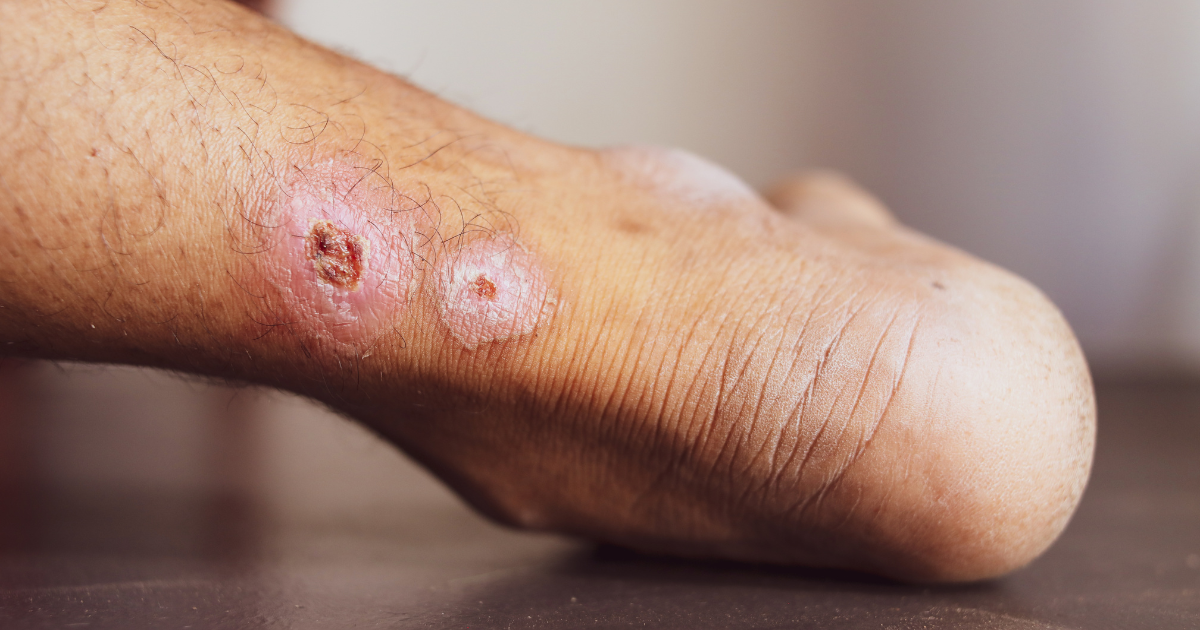
- Children: More likely to show visible skin changes such as purpura (red or purple spots), rashes, and ulcers. For example, IgA vasculitis often starts with purplish rashes on the legs and buttocks.
- Adults: While skin changes also occur, they are less prominent and often accompanied by joint pain or fatigue.
2. Fever and General Symptoms
- Children: High fever, irritability, and loss of appetite are common. These systemic signs are often more dramatic in children.
- Adults: May have fatigue and low-grade fever, but symptoms are often subtle and progress slowly.
3. Joint Pain
- Children: Sudden joint swelling and pain, especially in knees and ankles, are frequently seen in HSP. The pain may come and go but rarely causes permanent damage.
- Adults: Joint involvement may be milder but often lasts longer and is sometimes mistaken for arthritis.
4. Gastrointestinal Symptoms
- Children: Abdominal pain, vomiting, and blood in stool are common with IgA vasculitis. Intestinal involvement can be severe in children.
- Adults: GI symptoms occur less frequently, though abdominal pain may appear in some forms of vasculitis.
5. Eye Involvement
- Children: Kawasaki Disease often leads to eye redness (conjunctivitis) without discharge. Vision-threatening inflammation is rare but possible.
- Adults: Adults with vasculitis are at higher risk of developing uveitis or vision problems.
6. Cardiac Complications
- Children: Kawasaki Disease in children can cause coronary artery aneurysms, a serious complication if untreated.
- Adults: Vasculitis more commonly affects larger arteries (e.g., in Takayasu arteritis), leading to high blood pressure or strokes.
7. Kidney Involvement
- Children: Kidneys are often involved in pediatric IgA vasculitis, leading to blood or protein in urine. Fortunately, many cases resolve with treatment.
- Adults: Kidney involvement in vasculitis tends to be more aggressive, sometimes progressing to chronic kidney disease.
Diagnosis Challenges in Children
Diagnosing vasculitis in children can be challenging because:
- Symptoms often mimic infections or allergies.
- Children may have difficulty expressing their symptoms (e.g., abdominal pain, fatigue).
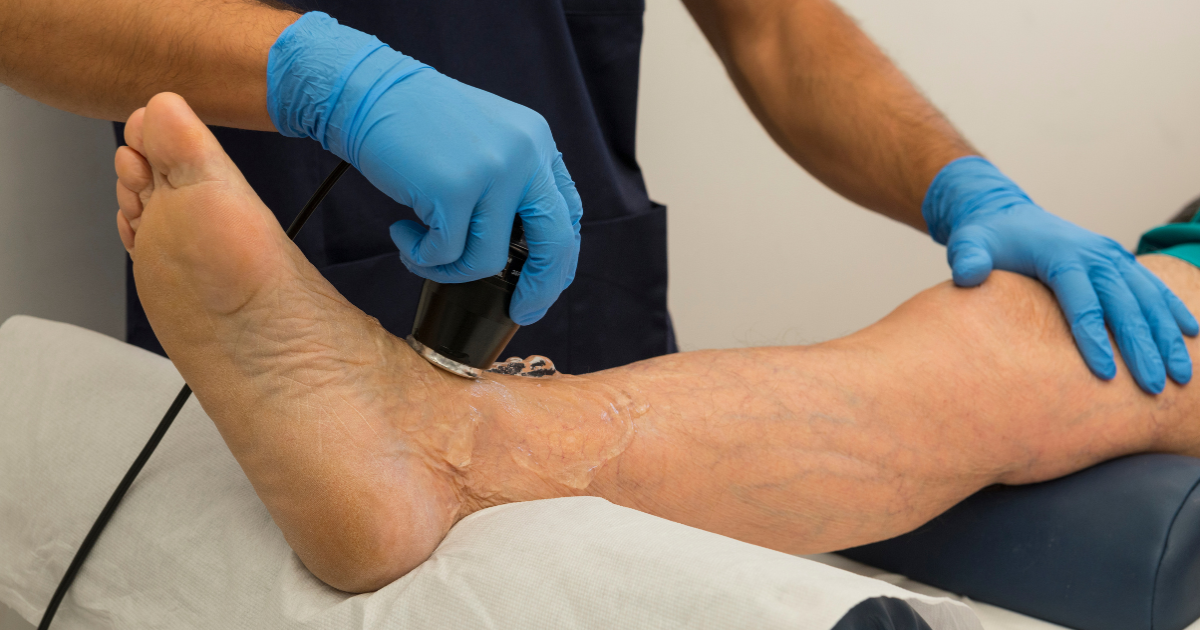
- Blood and urine tests, imaging (MRI, CT, ultrasound), and sometimes biopsy are needed to confirm diagnosis.
Treatment Approaches
The treatment of vasculitis in children depends on the type and severity:
- Mild cases (like IgA vasculitis): May require only rest, hydration, and pain relief medicines.
- Moderate to severe cases: Corticosteroids are often prescribed to control inflammation.
- Immunosuppressive drugs (e.g., azathioprine, cyclophosphamide) are used in serious or relapsing cases.
- Biologic therapies (such as anti-TNF agents) are emerging for resistant vasculitis.
Early intervention usually leads to better outcomes in children compared to adults.
Living with Pediatric Vasculitis
- Regular follow-ups: Essential to monitor kidneys, heart, and growth.
- Balanced diet: Helps strengthen immunity and overall health.
- Physical activity: Gentle exercise maintains joint flexibility.
- Emotional support: Children may struggle with chronic illness, so counseling and support groups can be beneficial.
Key Takeaway
While vasculitis affects both adults and children, the presentation in children is often more acute and dramatic. Skin rashes, abdominal pain, and fever are more common in pediatric cases, while adults experience slower and chronic patterns of disease. Understanding these differences helps in early diagnosis and timely treatment, reducing the risk of long-term damage and improving children’s quality of life.
FAQs
Q. Is vasculitis in children curable?
In many cases, especially with IgA vasculitis, children recover fully. However, some forms may require long-term treatment.
Q. Can children with vasculitis live a normal life?
Yes. With proper medical care, most children can lead healthy, active lives.
Q. What should parents watch out for?
Unexplained rashes, persistent fever, joint pain, or blood in urine should be promptly evaluated by a pediatrician or rheumatologist.