

Introduction
Vasculitis is a group of rare autoimmune disorders that cause inflammation of blood vessels. This inflammation can narrow, weaken, or even block the vessels, reducing blood flow and damaging vital organs. Because vasculitis can affect any organ system—skin, lungs, kidneys, eyes, nerves—it presents with a wide range of symptoms.
The challenge is that early signs of vasculitis often look like “general sickness”—fatigue, fever, or skin rashes—and can easily be ignored. However, timely diagnosis and treatment are crucial to prevent permanent organ damage or life-threatening complications.
In this blog, we will highlight the warning signs of vasculitis you should not ignore, why they happen, and when to see a doctor.
What Causes Vasculitis?
The exact cause is not always clear, but vasculitis happens when the immune system mistakenly attacks blood vessels. Possible triggers include:
- Autoimmune conditions (like rheumatoid arthritis, lupus, Sjögren’s syndrome).
- Genetic predisposition.
- Infections (viral or bacterial).
- Certain medications.
- Cancer or blood-related disorders.
Common Types of Vasculitis
- Giant Cell Arteritis (GCA): Affects large arteries, often in the head.
- Granulomatosis with Polyangiitis (GPA): Involves nose, lungs, kidneys.
- Microscopic Polyangiitis (MPA): Affects small vessels in lungs, kidneys.
- Takayasu Arteritis: Involves large vessels like the aorta.
- Henoch-Schönlein Purpura (HSP): Causes skin rashes and kidney problems, more common in children.
- Behçet’s Disease: Causes mouth ulcers, genital sores, eye inflammation, and vascular involvement.
Early Warning Signs of Vasculitis
1. Persistent Fatigue and Weakness
- Extreme tiredness not relieved by rest.
- Caused by poor blood flow to muscles and organs.
- Often dismissed as stress or aging.
2. Unexplained Fever and Weight Loss
- Low-grade fevers without infection.
- Sudden, unintentional weight loss due to chronic inflammation.
3. Skin Changes
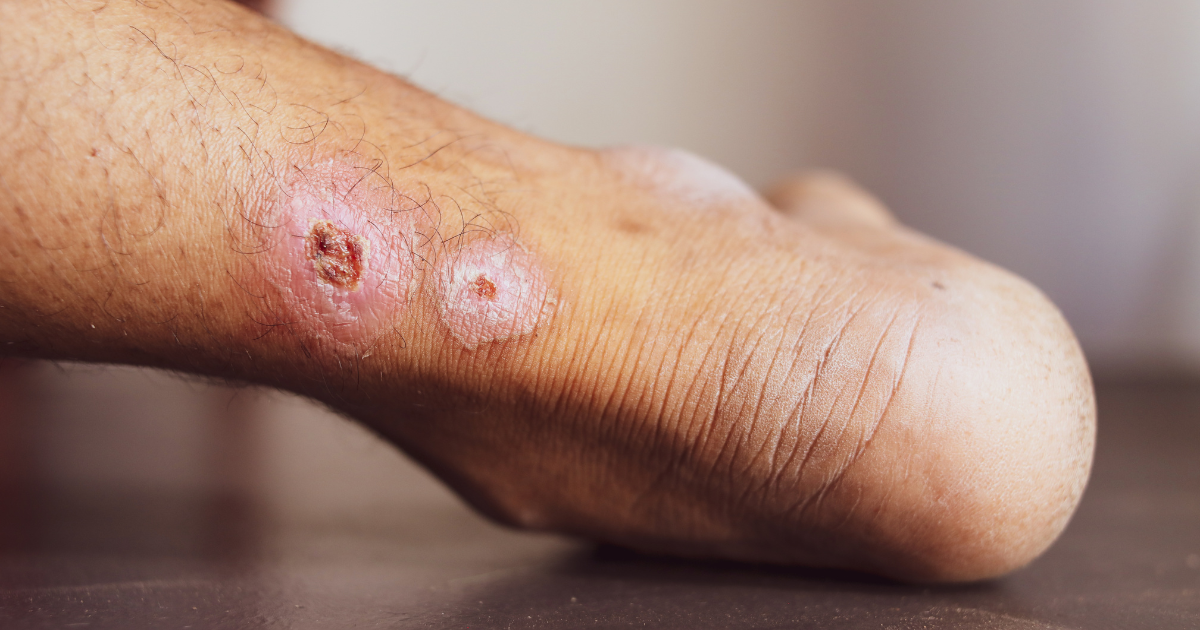
- Red or purple spots (purpura), usually on legs.
- Painful nodules, ulcers, or hives-like rashes.
- Skin changes often give early clues to vasculitis.
4. Nerve Symptoms
- Tingling, numbness, burning pain (peripheral neuropathy).
- Dropping objects, weakness in arms or legs.
5. Respiratory Issues
- Shortness of breath, cough, coughing up blood.
- Indicates lung involvement in vasculitis.
6. Kidney Problems
- Blood in urine or foamy urine (protein leakage).
- Swelling in legs or around eyes.
- High blood pressure due to kidney damage.
7. Headaches and Vision Problems
- Severe, persistent headaches (common in GCA or Takayasu).
- Blurred vision, double vision, or sudden vision loss—requires urgent care.
8. Abdominal Pain
- Stomach pain after meals due to poor blood flow.
- Nausea, vomiting, or blood in stool may signal intestinal vasculitis.
Red Flags You Should Never Ignore
- Sudden vision loss or severe headache.
- Blood in urine or stools.
- Severe shortness of breath or chest pain.
- Rapidly spreading skin ulcers or rashes.
- Unexplained neurological weakness.
These could indicate life-threatening organ involvement and require immediate medical attention.
When to See a Doctor
You should consult a rheumatologist if:
- You have unexplained fever, fatigue, or weight loss for more than 2–3 weeks.
- You notice skin rashes along with nerve symptoms or breathing difficulty.
- You have blood in urine or stools without infection.
- Family history of autoimmune disease and unexplained chronic symptoms.
Diagnosis of Vasculitis
Doctors may recommend:
- Blood tests: ESR, CRP, ANCA, ANA.
- Urine test: Protein and blood in urine.
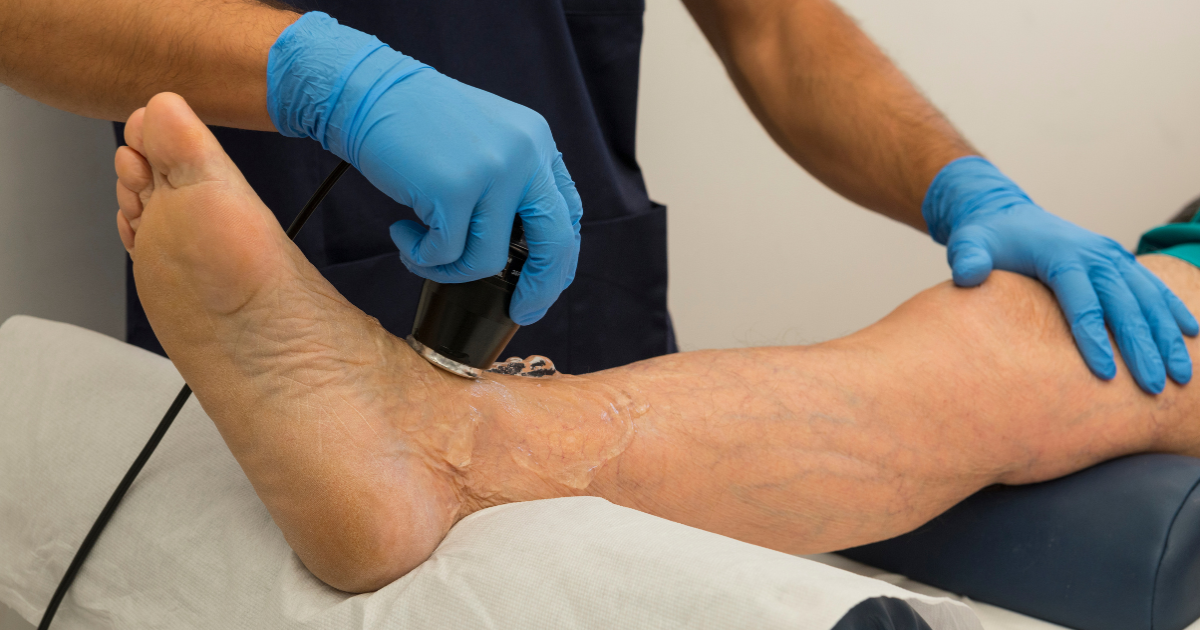
- Imaging: CT, MRI, PET scans to assess vessel inflammation.
- Biopsy: Tissue sample confirms vasculitis.
Treatment Options
There is no permanent cure, but treatment can control symptoms and prevent damage.
- Corticosteroids: First-line drugs to reduce inflammation.
- Immunosuppressants: Azathioprine, Cyclophosphamide, Methotrexate.
- Biologic therapies: Rituximab, TNF inhibitors for resistant cases.
- Plasma exchange: In severe kidney or lung involvement.
Lifestyle measures like a healthy diet, regular checkups, stress management, and avoiding smoking also help.
Living with Vasculitis
Vasculitis is a chronic condition with flare-ups and remissions. With treatment, many people can live normal lives. Joining support groups, staying informed, and regular follow-up with your doctor are key to long-term management.
Conclusion
Vasculitis is a rare but serious condition that affects blood vessels and organs. Early symptoms may look minor, but ignoring them can lead to blindness, kidney failure, stroke, or life-threatening complications. Recognizing warning signs like unexplained fever, skin rashes, nerve problems, and blood in urine can make all the difference.
If you or someone you know has these symptoms, consult a rheumatologist immediately for proper diagnosis and timely treatment.
FAQs
Q1: Is vasculitis curable?
Not completely, but it can be controlled with medications.
Q2: Can vasculitis affect young people?
Yes, depending on the type, it can affect children, young adults, or older individuals.
Q3: What happens if vasculitis is untreated?
It may cause permanent organ damage, blindness, stroke, or kidney failure.
Q4: Which doctor should I consult?
A rheumatologist specializes in diagnosing and treating vasculitis.