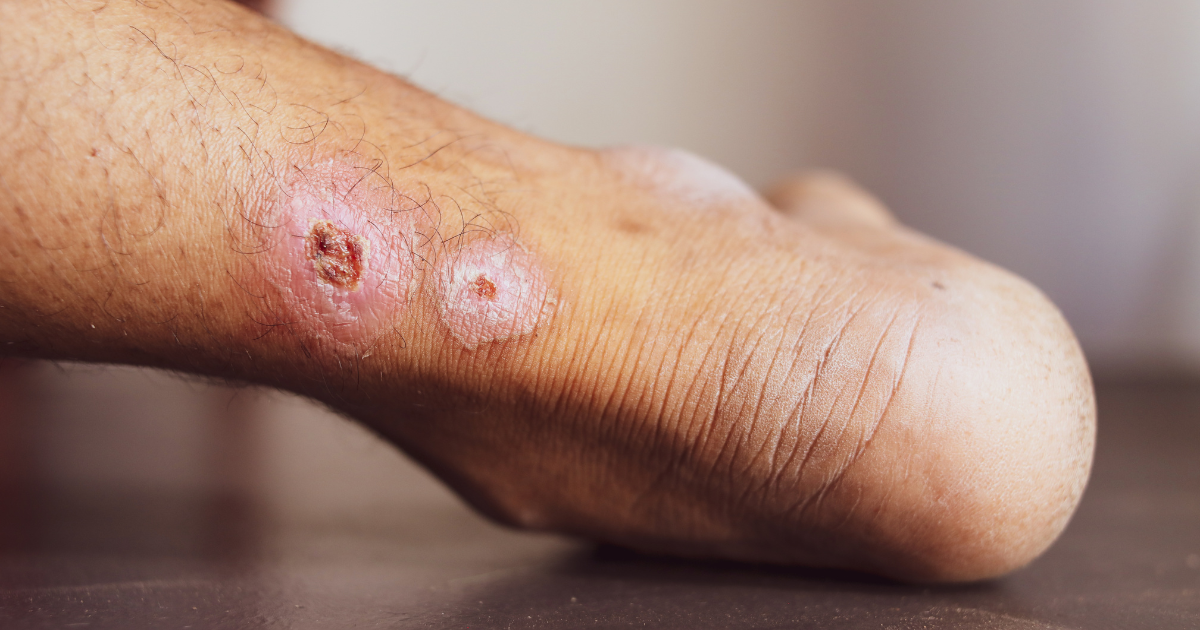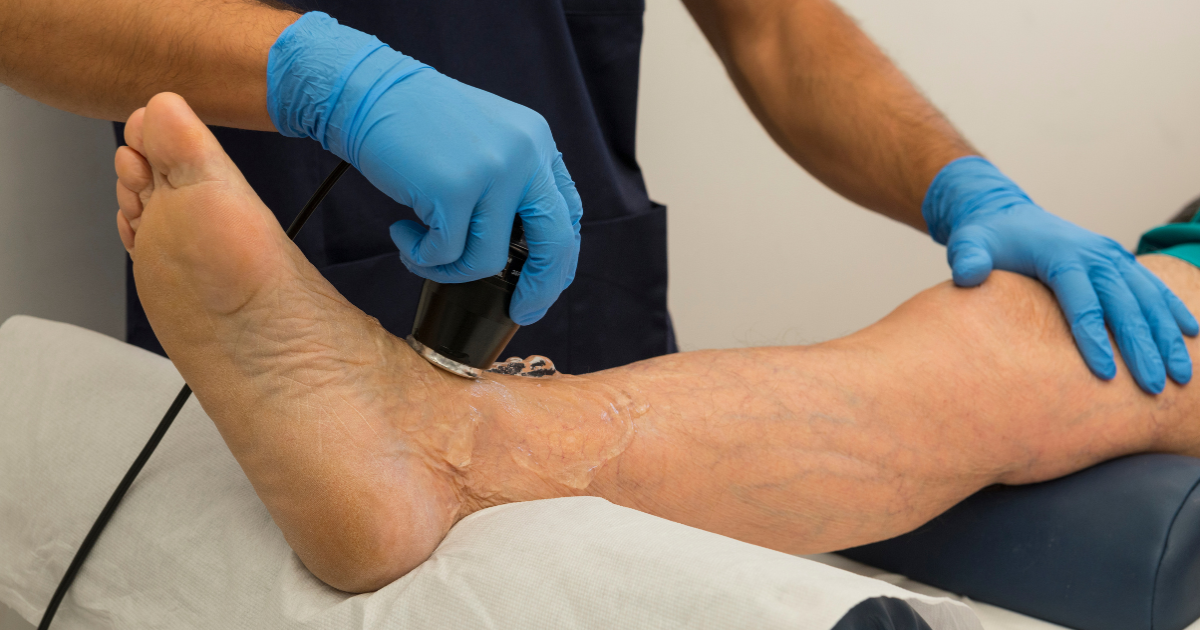


Winter can be a challenging season for people living with Psoriatic Arthritis (PsA). The cold weather, dry air, and reduced sunlight often lead to worsening joint stiffness and flare-ups of skin symptoms like dryness, itching, and scaling. Managing both joint health and skin care becomes especially important during the chilly months.
With the right approach, you can protect your skin, reduce flare-ups, and stay comfortable throughout winter. Here are some practical and effective winter skin care tips for people with Psoriatic Arthritis.
Why Winter Makes Psoriatic Arthritis Worse
- Dry air: Winter air lacks humidity, which strips moisture from the skin and worsens psoriasis patches.
- Indoor heating: Heaters further dry out the skin.
- Cold weather: Stiffens joints and can trigger flare-ups.
- Reduced sunlight: Leads to lower vitamin D levels, which are linked to worse PsA symptoms.
📌 Fact: Studies show that many people with psoriasis or PsA report more severe symptoms in winter than in summer.
1. Moisturize Frequently and Effectively
Keeping your skin hydrated is the single most important step.
- Use thick, fragrance-free moisturizers (ointments or creams are better than lotions).
- Apply immediately after bathing to lock in moisture.
- Keep a small moisturizer tube with you to reapply throughout the day.
💡 Look for ingredients like ceramides, shea butter, glycerin, or petroleum jelly.
2. Take Short, Lukewarm Showers
Hot showers may feel relaxing in winter, but they strip the skin of essential oils, worsening dryness and irritation.
- Use lukewarm water instead of hot.
- Limit showers to 10–15 minutes.
- Pat skin dry gently with a towel — don’t rub harshly.
3. Use Gentle Cleansers
Many soaps and body washes contain fragrances or harsh chemicals that irritate psoriatic skin.
- Choose mild, fragrance-free cleansers.
- Avoid antibacterial soaps unless prescribed by your doctor.
- Use soap only where needed (underarms, groin, feet) instead of over the whole body.
4. Don’t Forget Vitamin D
During winter, reduced sunlight can lower your body’s vitamin D levels, which are important for bone and joint health.
- Try to get 10–15 minutes of sunlight exposure on clear days.
- Consider vitamin D supplements if recommended by your doctor.
- Include vitamin D-rich foods like salmon, eggs, fortified dairy, and mushrooms.
5. Protect Your Skin Outdoors
Winter wind and cold air can irritate sensitive skin and joints.
- Wear gloves, scarves, and full sleeves to protect exposed skin.
- Choose soft, breathable fabrics like cotton or fleece instead of wool, which may irritate skin patches.
- Use a humidifier indoors to maintain moisture levels in the air.
6. Maintain a Healthy Lifestyle
Skin and joint health go hand in hand with overall wellness.
- Stay hydrated: Drink at least 2–3 liters of water daily.
- Eat anti-inflammatory foods: Leafy greens, omega-3-rich fish, turmeric, and whole grains.
- Limit alcohol and smoking: Both can worsen PsA symptoms and dry out skin.
- Exercise gently: Low-impact activities like yoga, walking, or swimming in heated pools can keep joints flexible and boost circulation.
7. Stick to Your PsA Treatment Plan
Winter can tempt you to skip medications when you’re feeling better, but staying consistent is crucial.
- Take prescribed medications (DMARDs, biologics, or NSAIDs) as directed.
- Use topical creams or medicated shampoos regularly if prescribed for psoriasis.
- Inform your doctor if winter triggers severe flare-ups — they may adjust your treatment.
8. Manage Stress and Sleep Well
Cold months and shorter days may increase stress, anxiety, and seasonal depression, which are known triggers for PsA flares.
- Practice relaxation techniques like meditation, deep breathing, or gentle yoga.
- Maintain a regular sleep schedule with 7–9 hours of rest.
- Consider light therapy if seasonal affective disorder (SAD) worsens symptoms.
Final Thoughts
For people with Psoriatic Arthritis, winter skin care isn’t just about comfort — it’s part of managing the disease itself. Moisturizing, protecting your skin from the elements, maintaining vitamin D levels, and following a healthy lifestyle can help minimize flare-ups during the colder months.
If your symptoms worsen significantly during winter, consult your rheumatologist or dermatologist. With the right care plan, you can keep both your skin and joints healthier all season long.