

Rheumatoid Arthritis (RA) is a chronic autoimmune disease that causes joint pain, swelling, and stiffness. Managing RA effectively requires a combination of medication, lifestyle changes, and physical activity.
Two of the most recommended non-medical approaches are Yoga and Physiotherapy. But many patients often wonder — which one is better for RA?
In this blog, we will compare Yoga and Physiotherapy, their benefits, differences, and help you choose the right option for your condition.
What is Rheumatoid Arthritis (RA)?
Rheumatoid Arthritis is a condition where the immune system mistakenly attacks the joints, leading to:
- Persistent joint pain
- Morning stiffness
- Swelling in hands, feet, and knees
- Reduced mobility
If not managed properly, RA can lead to joint damage and disability.
What is Yoga?
Yoga is an ancient practice that combines physical postures (asanas), breathing techniques, and meditation. It focuses on improving flexibility, strength, and mental well-being.
Benefits of Yoga in Rheumatoid Arthritis
Yoga can be very beneficial for RA patients when done correctly:
- Improves joint flexibility
- Reduces stiffness and pain
- Enhances blood circulation
- Reduces stress and inflammation
- Improves mental health
Best Yoga Practices for RA:
- Gentle stretching yoga
- Chair yoga
- Breathing exercises (Pranayama)
- Meditation
Yoga is especially helpful for mild to moderate RA patients.
What is Physiotherapy?
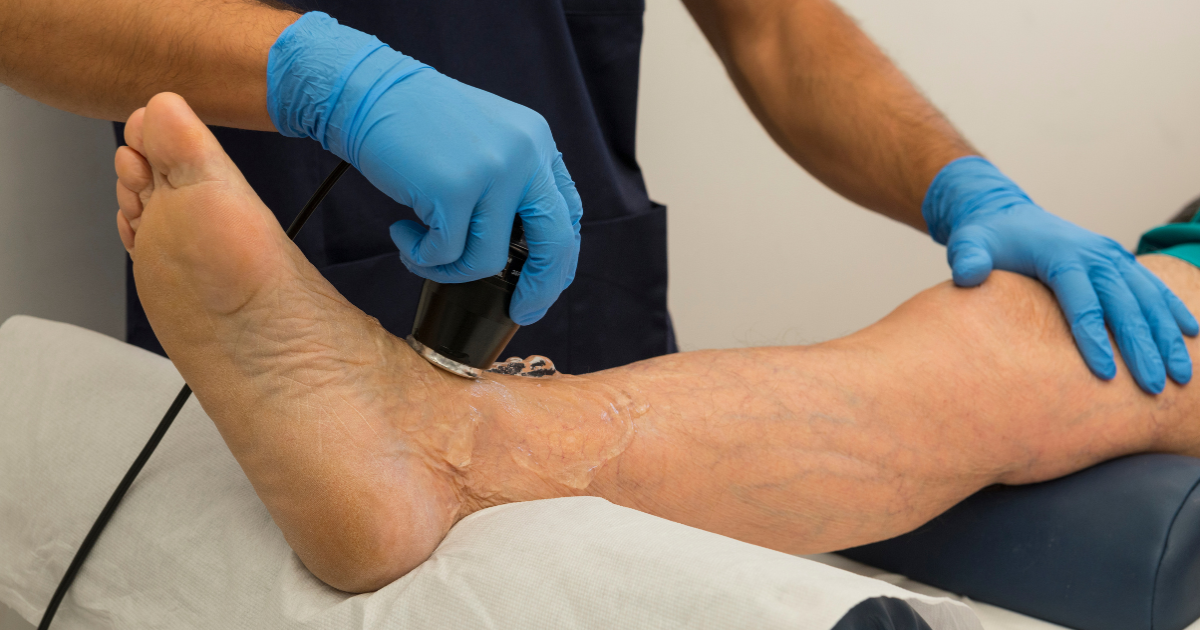
Physiotherapy is a medical treatment approach that uses targeted exercises and techniques to improve movement and reduce pain. It is usually guided by a trained physiotherapist.
Benefits of Physiotherapy in Rheumatoid Arthritis
Physiotherapy offers structured and condition-specific treatment:
- Strengthens muscles around joints
- Reduces joint stress
- Improves mobility and function
- Prevents joint deformities
- Helps in pain management
Common Physiotherapy Techniques:
- Range-of-motion exercises
- Strength training
- Heat and cold therapy
- Manual therapy
Physiotherapy is ideal for moderate to severe RA patients or during flare-ups.
Yoga vs Physiotherapy: Key Differences
| Feature | Yoga | Physiotherapy |
| Approach | Holistic (body + mind) | Medical & targeted |
| Supervision | Can be self-practiced (guided) | Requires professional |
| Best for | Flexibility, stress relief | Pain relief, strength |
| RA Stage | Mild to moderate | Moderate to severe |
| Customization | General routines | Personalized treatment |
Which is Better for RA Patients?
The answer is: Both are beneficial — but in different ways.
- Choose Yoga if:
- You have mild symptoms
- You want stress relief and flexibility
- You prefer a natural, holistic approach
- Choose Physiotherapy if:
- You have severe pain or stiffness
- You need guided rehabilitation
- You are recovering from joint damage
Best Approach: Combine Both
For most RA patients, the best results come from combining Yoga and Physiotherapy.
- Physiotherapy helps in pain control and strength building
- Yoga helps in flexibility, relaxation, and long-term wellness
👉 Together, they provide a complete management plan for RA.
Tips for Safe Exercise in RA
- Start slow and increase intensity gradually
- Avoid high-impact exercises
- Do not exercise during severe pain or flare-ups
- Always consult a doctor or physiotherapist
- Focus on consistency, not intensity
Conclusion
Both Yoga and Physiotherapy play an important role in managing Rheumatoid Arthritis. While physiotherapy provides targeted treatment for joints, yoga offers holistic benefits for body and mind.
Instead of choosing one over the other, a balanced combination of both can help you reduce pain, improve mobility, and enhance your quality of life.
FAQs – Yoga vs Physiotherapy in RA
Q1. Can yoga cure rheumatoid arthritis?
No, yoga cannot cure RA, but it helps in reducing symptoms and improving flexibility.
Q2. Is physiotherapy necessary for RA patients?
Yes, especially in moderate to severe cases, physiotherapy is very helpful in managing pain and preventing joint damage.
Q3. Can I do yoga during RA flare-ups?
It is better to avoid intense yoga during flare-ups. Gentle breathing or relaxation exercises can be done.
Q4. Which is safer: yoga or physiotherapy?
Both are safe if done correctly. Physiotherapy is more structured, while yoga should be practiced carefully
Q5. How often should RA patients exercise?
At least 4–5 days a week with low-impact exercises is recommended.