

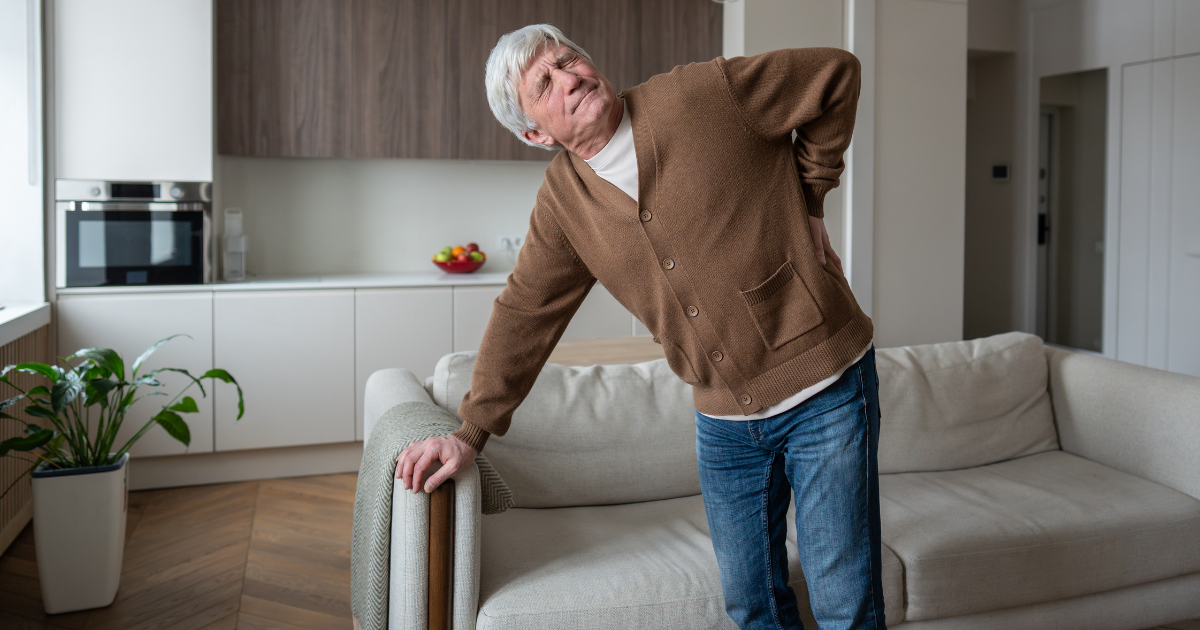
Ankylosing Spondylitis (AS) is often diagnosed in younger adults, but many people continue to live with the disease well into their 50s, 60s, and older. As age increases, the way AS behaves — and the way it should be treated — also changes. Seniors may face additional health challenges that affect mobility, pain levels, and treatment options. This blog explores how aging impacts AS and what seniors can do to maintain mobility, independence, and quality of life.
How Aging Changes Ankylosing Spondylitis
1. Increased Stiffness and Reduced Flexibility
With age, joint cartilage naturally wears down. For seniors with AS, this can worsen:
- Morning stiffness
- Limited spinal movement
- Difficulty bending, turning, or twisting
The spine may also become more fused over time, making mobility more challenging.
2. Higher Risk of Osteoporosis
Older adults — especially those with long-term inflammation — have a higher chance of bone thinning (osteoporosis).
This increases the risk of:
- Spinal fractures
- Hip fractures
- Postural imbalance
Doctors often monitor bone health closely in senior AS patients.
3. Co-existing Medical Conditions
Age brings additional health concerns, which can complicate AS management. Common conditions include:
- Diabetes
- High blood pressure
- Heart disease
- Kidney disease
Because of these comorbidities, medications must be chosen carefully.
How Treatment Changes for Seniors
1. Adjusted Medication Plans
Strong anti-inflammatory drugs (NSAIDs) may cause stomach or kidney problems in older adults.
Biologic medications (like TNF or IL-17 inhibitors) may still be recommended but require:
- Regular monitoring
- Infection precautions
- Lower or adjusted doses
Senior AS patients need personalized medication plans.
2. Focus on Safe Physical Activity
Exercise remains essential but must be adapted to age and mobility.
Recommended activities:
- Gentle stretching
- Chair exercises
- Water therapy
- Slow walking
- Breathing and posture exercises
Avoid heavy-impact exercises that may strain the spine.
3. Fall Prevention Strategies
As balance decreases with age, seniors with AS face a higher fall risk.
Helpful strategies include:
- Supportive footwear
- Home modifications
- Mobility aids (cane, walker)
- Strength training under supervision
Maintaining leg and core strength helps prevent falls.
4. Pain Management Tailored for Seniors
Older adults may be more sensitive to medications. Non-drug methods play a major role:
- Heat therapy
- Warm baths
- Physiotherapy
- Massage
- Acupuncture
A combination approach often gives the best relief.
Maintaining Mobility in Older Adults with Ankylosing Spondylitis
1. Daily Stretching Routine
Gentle, consistent stretching improves:
- Spinal flexibility
- Posture
- Breathing capacity
Even 10 minutes a day makes a difference.
2. Posture Awareness
Seniors with AS may develop a forward-bent posture (kyphosis).
Tips to improve posture:
- Sit with back support
- Sleep on a firm mattress
- Avoid thick pillows
- Periodically check your posture in a mirror
3. Healthy Lifestyle Choices
Balanced habits support overall mobility:
- Anti-inflammatory diet
- Vitamin D and calcium-rich foods
- Adequate sleep
- Weight control
- Quitting smoking
These habits reduce stiffness and protect bone health.
When Should Seniors See a Rheumatologist?
Immediate consultation is needed if there’s:
- Sudden increase in pain
- New neurological symptoms
- Breathing difficulty
- Frequent falls
- Noticeable posture change
- Medication side effects
Regular check-ups ensure the disease remains under control as aging progresses.
Conclusion
Ankylosing Spondylitis in seniors requires careful, personalized care. Aging may increase stiffness, reduce mobility, and complicate treatment choices — but with the right exercise routine, safer medication plans, and lifestyle habits, seniors can continue to live active, independent lives.
FAQs
Q1. Is Ankylosing Spondylitis worse in older age?
Yes, stiffness and mobility issues may increase, especially if the spine has begun to fuse. However, proper management can reduce progression and discomfort.
Q2. Can seniors take biologic medication for AS?
Yes, but doctors evaluate risks such as infection, heart issues, or kidney function before prescribing them.
Q3. What exercises are safest for older adults with AS?
Gentle stretching, chair yoga, breathing exercises, and water therapy are best for seniors.
Q4. How can seniors reduce fall risk with AS?
Use supportive footwear, install home safety features, do balance training, and consider mobility aids if needed.
Q5. Does AS shorten life expectancy in elderly patients?
Not usually. With proper treatment, lifestyle care, and regular monitoring, seniors with AS can maintain a normal life expectancy.