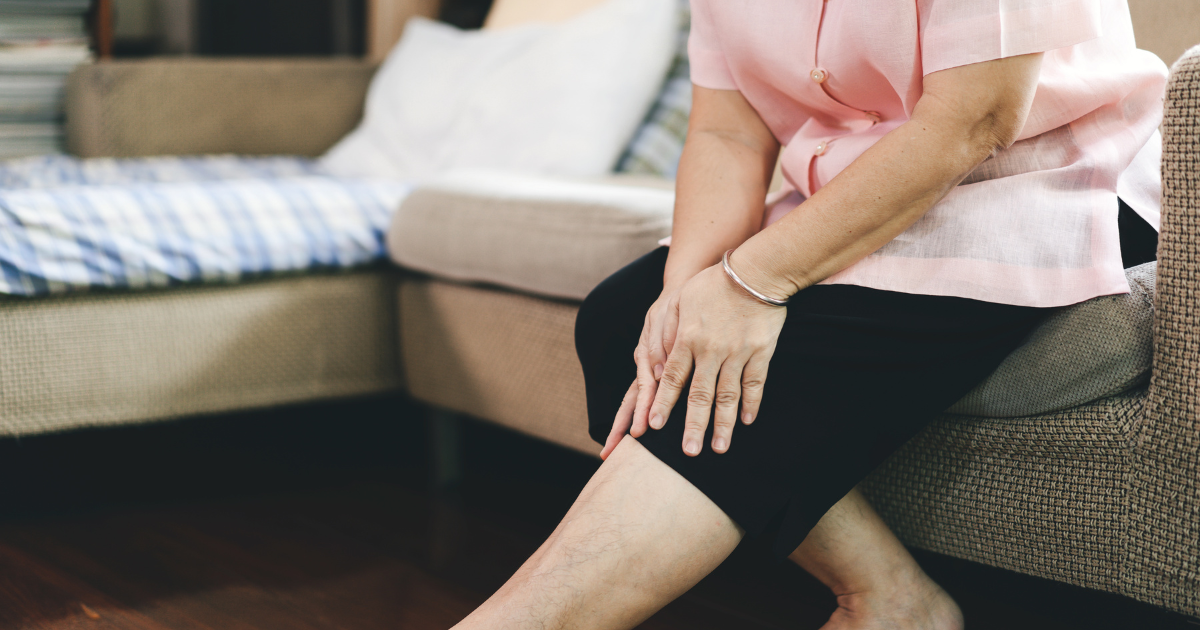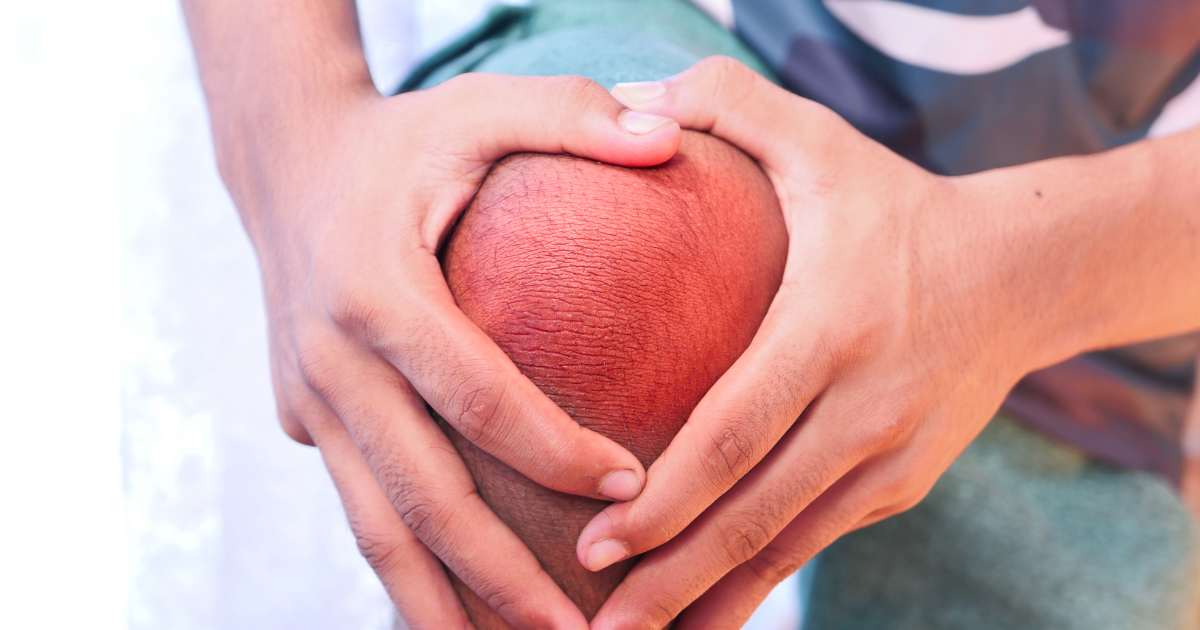

Knee Osteoarthritis (OA) is one of the most common joint problems affecting millions of Indians today. It causes knee pain, stiffness, swelling, and difficulty in walking, climbing stairs, or sitting on the floor. While aging is often blamed, knee osteoarthritis develops due to multiple lifestyle, genetic, and cultural factors, many of which are especially relevant in India.
Understanding the root causes can help in early prevention, timely diagnosis, and better management. Let’s explore the top 10 causes of knee osteoarthritis in Indians in simple terms.
1. Aging and Natural Wear and Tear
As we age, the cartilage that cushions the knee joint slowly wears down. Cartilage has limited ability to repair itself, so over time it becomes thin and weak.
In India, knee osteoarthritis is commonly seen after the age of 45–50 years, but symptoms may start earlier depending on lifestyle and health conditions.
Aging alone may not cause OA, but it increases vulnerability.
2. Excess Body Weight and Obesity
Obesity is one of the biggest risk factors for knee osteoarthritis in Indians.
- Every extra kilogram of body weight puts 3–4 times more pressure on the knees.
- Rising obesity due to sedentary lifestyle, junk food, and lack of exercise has increased Osteoarthritis cases even in younger adults.
Weight gain directly accelerates cartilage damage in the knee.
3. Sitting on the Floor and Squatting Habits
Traditional Indian habits like:
- Sitting cross-legged
- Squatting for cooking or toilet use
- Sitting on the floor during prayers or meals
put excessive stress on the knee joints, especially when done repeatedly over many years.
These postures increase knee bending beyond safe limits, speeding up joint degeneration.
4. Indian Toilets (Squatting Toilets)
Squatting toilets require deep knee bending, which can be harmful for people with weak cartilage or early osteoarthritis.
- Repeated use increases pressure on knee cartilage
- Difficult for elderly and overweight individuals
This is a unique Indian risk factor often ignored.
5. Previous Knee Injury or Trauma
Past knee injuries such as:
- Ligament tears (ACL, meniscus)
- Fractures
- Sports injuries
- Road traffic accidents
can damage joint alignment and cartilage.
Even if the injury healed years ago, it can lead to post-traumatic osteoarthritis later in life.
6. Lack of Physical Activity
Many Indians lead a sedentary lifestyle, especially due to:
- Desk jobs
- Long screen time
- Limited exercise
Weak thigh muscles (quadriceps) fail to support the knee joint properly, increasing stress on cartilage.
Inactivity weakens muscles and worsens knee stability.
7. Poor Posture and Wrong Walking Style
Incorrect posture and walking patterns can overload certain parts of the knee joint.
Examples include:
- Walking with bent knees
- Flat feet or knock knees
- Poor footwear without cushioning
Uneven pressure leads to faster cartilage wear on one side of the knee.
8. Vitamin D and Calcium Deficiency
Vitamin D deficiency is extremely common in India, even in sunny regions.
Low vitamin D and calcium levels lead to:
- Weak bones
- Poor joint health
- Increased knee pain and stiffness
Deficiency does not directly cause Osteoarthritis but worsens symptoms and progression.
9. Genetic and Family History
If your parents or close relatives have knee osteoarthritis, your risk is higher.
Genetics can affect:
- Cartilage strength
- Bone structure
- Joint alignment
Indians with a family history often develop Osteoarthritis earlier and more severely.
10. Hormonal Changes in Women
Women, especially after menopause, are more prone to knee osteoarthritis.
Reasons include:
- Drop in estrogen levels
- Bone density loss
- Weight gain after menopause
This explains why knee Osteoarthritis is more common and severe in Indian women over 45.
Why Knee Osteoarthritis Is Increasing Rapidly in India
- Urban lifestyle
- Obesity epidemic
- Reduced physical activity
- Longer life expectancy
- Delayed medical consultation
Many people ignore early knee pain, assuming it is “normal aging,” which delays treatment.
Early Warning Signs You Should Not Ignore
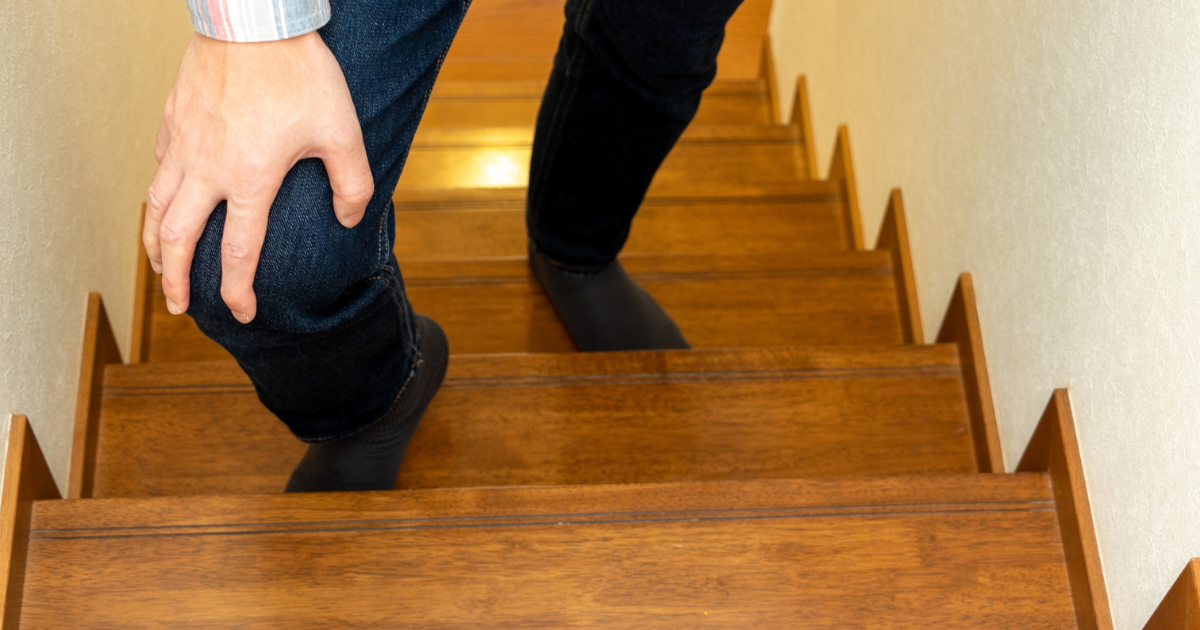
- Knee pain while climbing stairs
- Morning stiffness lasting less than 30 minutes
- Cracking or grinding sounds
- Knee swelling after walking
- Difficulty sitting or standing from the floor
Early diagnosis can slow disease progression.
How Indians Can Reduce the Risk of Knee Osteoarthritis
✔ Maintain healthy body weight
✔ Avoid prolonged squatting and floor sitting
✔ Use supportive footwear
✔ Strengthen thigh muscles with exercises
✔ Ensure adequate vitamin D and calcium
✔ Seek medical advice early
Conclusion
Knee osteoarthritis in Indians is not caused by age alone. It is the result of lifestyle habits, cultural practices, obesity, nutritional deficiencies, and genetics. The good news is that many of these factors are modifiable.
Early awareness, lifestyle correction, and timely treatment can help you stay active, pain-free, and independent for years to come.
Frequently Asked Questions (FAQ)
1. What is the main cause of knee osteoarthritis in Indians?
The most common causes are excess body weight, aging, sedentary lifestyle, and traditional habits like squatting and floor sitting, which put extra stress on knee joints.
2. Can knee osteoarthritis occur at a young age in India?
Yes. Knee osteoarthritis can occur in people in their 30s or 40s, especially due to obesity, previous knee injuries, poor posture, or family history.
3. Are women more prone to knee osteoarthritis than men?
Yes. Knee osteoarthritis is more common in women, especially after menopause, due to hormonal changes, bone loss, and weight gain.
4. Can knee osteoarthritis be treated without surgery?
Yes. Most patients can manage knee osteoarthritis with lifestyle changes, physiotherapy, medications, weight loss, and injections. Surgery is needed only in advanced cases.