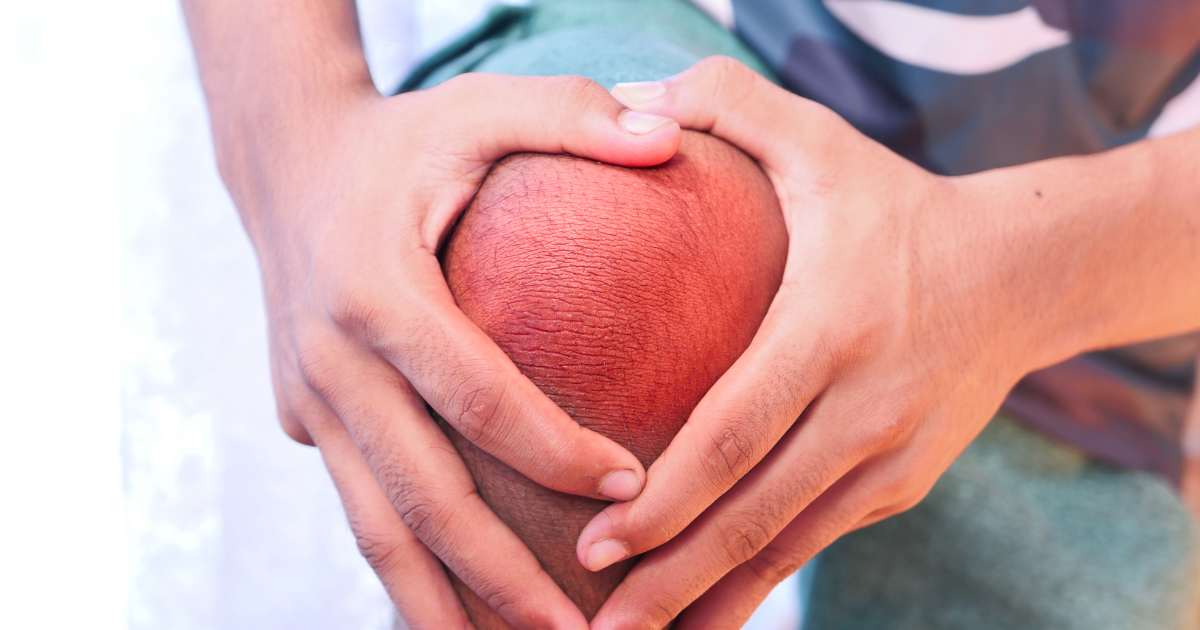

Healthy joints need proper lubrication to move smoothly without pain or stiffness. Joint lubrication mainly comes from synovial fluid, which reduces friction between bones and nourishes cartilage. When this lubrication decreases due to aging, osteoarthritis, or poor diet, joints become stiff and painful.
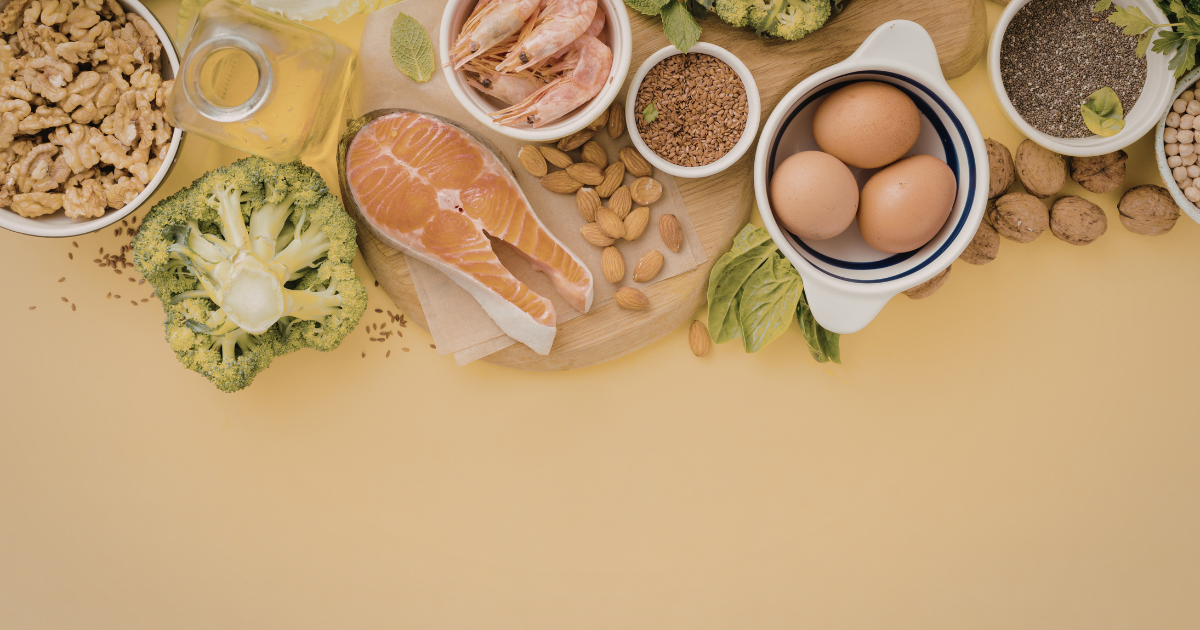
In India, many traditional foods naturally support joint health because they are rich in omega-3 fats, antioxidants, vitamins, minerals, and anti-inflammatory compounds. Including these foods in your daily diet can help improve joint lubrication and reduce wear and tear.
Let’s explore the best 10 Indian foods for joint lubrication and how they help.
1. Turmeric (Haldi)
Turmeric is one of the most powerful natural anti-inflammatory spices used in Indian kitchens.
How it helps:
- Contains curcumin, which reduces joint inflammation
- Helps protect cartilage from damage
- Supports smoother joint movement
How to use:
Add turmeric to sabzi, dal, or take it with warm milk (haldi milk).
2. Ghee (Desi Ghee)
Desi ghee is rich in healthy fats and fat-soluble vitamins.
How it helps:
- Supports natural joint lubrication
- Improves absorption of vitamin D and calcium
- Helps reduce joint dryness
How to use:
Use 1–2 teaspoons daily in roti or rice (avoid excess if overweight).
3. Flaxseeds (Alsi)
Flaxseeds are an excellent plant source of omega-3 fatty acids.
How it helps:
- Reduces joint stiffness and swelling
- Improves synovial fluid quality
- Protects cartilage
How to use:
Roast and grind flaxseeds; add to curd, salad, or atta.
4. Fish (Especially Rohu, Hilsa, Sardines)
Fatty fish are rich in omega-3 fatty acids.
How it helps:
- Decreases inflammation inside joints
- Improves flexibility
- Slows cartilage degeneration
How to use:
Consume 2–3 times per week (grilled or lightly cooked).
5. Moringa (Drumstick / Sahjan)
Moringa leaves and pods are widely used in Indian cooking.
How it helps:
- High in calcium and antioxidants
- Reduces joint pain and swelling
- Supports bone and cartilage health
How to use:
Add moringa leaves to dal or sabzi.
6. Amla (Indian Gooseberry)
Amla is one of the richest natural sources of vitamin C.
How it helps:
- Supports collagen production for cartilage
- Reduces oxidative stress in joints
- Boosts immunity
How to use:
Eat fresh amla, amla juice, or amla chutney.
7. Nuts (Almonds & Walnuts)
Indian diets often include almonds and walnuts.
How they help:
- Rich in healthy fats and vitamin E
- Improve joint cushioning
- Reduce stiffness
How to use:
Soak almonds overnight and eat 4–5 daily.
8. Millets (Ragi, Jowar, Bajra)
Millets are traditional Indian grains rich in minerals.
How they help:
- High in calcium and magnesium
- Strengthen bones around joints
- Support long-term joint health
How to use:
Prepare roti, dosa, or porridge using millets.
9. Leafy Green Vegetables (Palak, Methi, Bathua)
Green leafy vegetables are full of vitamins and minerals.
How they help:
- Provide vitamin K and antioxidants
- Reduce joint inflammation
- Support cartilage repair
How to use:
Include them in sabzi, paratha stuffing, or soups.
10. Ginger (Adrak)
Ginger is another powerful anti-inflammatory food.
How it helps:
- Reduces joint pain and swelling
- Improves blood flow to joints
- Supports cartilage health
How to use:
Drink ginger tea or add fresh ginger to cooking.
Why Diet Matters for Joint Lubrication
Poor nutrition leads to:
- Reduced synovial fluid production
- Weak cartilage
- Increased friction between bones
A balanced diet with anti-inflammatory and healthy-fat foods helps:
✔ Improve joint flexibility
✔ Reduce stiffness
✔ Slow osteoarthritis progression
✔ Support natural lubrication
Foods to Avoid for Better Joint Lubrication
To protect your joints, limit:
- Fried and junk foods
- Sugary snacks and soft drinks
- Excess salt
- Processed meat
- Refined flour (maida)
These increase inflammation and worsen joint dryness.
Additional Tips to Improve Joint Lubrication
Along with diet:
- Drink enough water daily
- Maintain healthy body weight
- Do regular low-impact exercise (walking, swimming, yoga)
- Avoid long sitting or squatting
- Get enough vitamin D (sunlight exposure)
Frequently Asked Questions (FAQ)
1. What does “joint lubrication” mean?
Joint lubrication refers to the synovial fluid inside joints that helps bones move smoothly without friction and pain. Good lubrication protects cartilage and prevents stiffness.
2. Can food really improve joint lubrication?
Yes. Foods rich in healthy fats, antioxidants, and anti-inflammatory nutrients help improve synovial fluid quality and reduce joint dryness over time.
3. Can these foods cure osteoarthritis?
No. These foods do not cure osteoarthritis, but they help reduce stiffness, improve movement, and slow disease progression when combined with exercise and medical care.
4. Is turmeric milk good for joint lubrication?
Yes. Turmeric milk can help reduce inflammation and support joint comfort, especially when taken regularly in moderation.
5. Can these foods help knee osteoarthritis?
Yes. These foods support knee joint lubrication and cartilage health, which may reduce pain and stiffness in knee osteoarthritis.
Conclusion
Joint lubrication is essential for pain-free movement and long-term joint health. Traditional Indian foods like turmeric, ghee, flaxseeds, fish, moringa, amla, nuts, millets, leafy greens, and ginger naturally support lubrication and protect cartilage.
By making simple dietary changes and maintaining an active lifestyle, you can reduce joint stiffness and slow down joint damage—especially in conditions like osteoarthritis.
Healthy joints begin in the kitchen.