

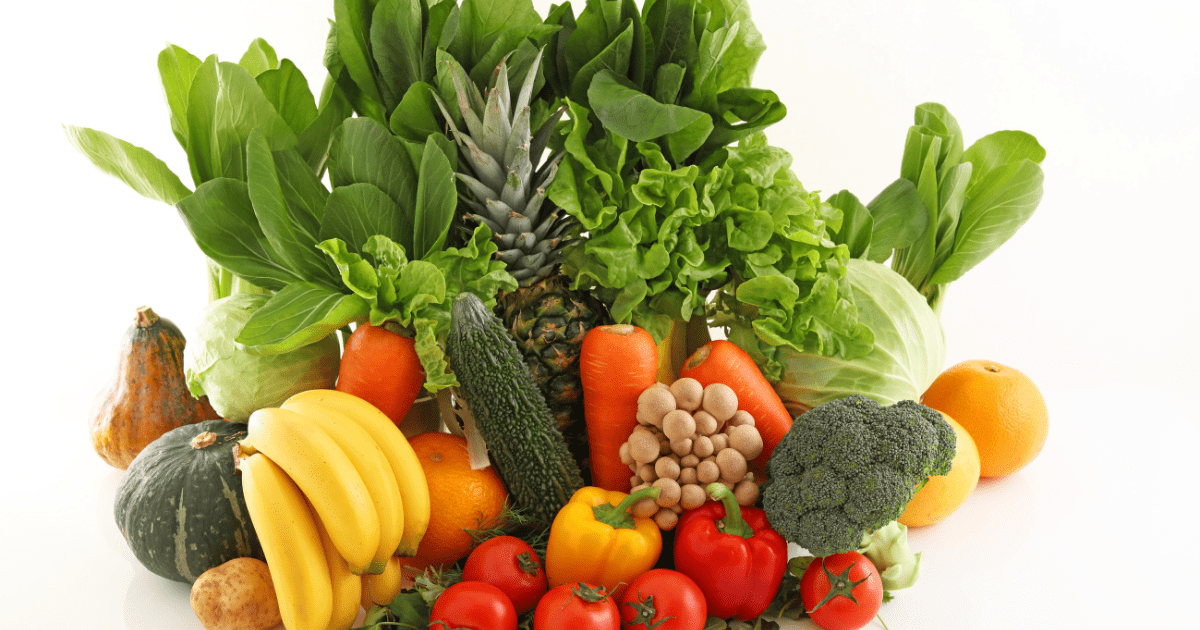
When winter arrives, many people with arthritis or joint problems — especially those with Rheumatoid Arthritis (RA), Osteoarthritis, or Ankylosing Spondylitis — notice their pain and stiffness increasing. The drop in temperature, reduced physical activity, and lower Vitamin D exposure can make inflammation worse.
But the good news is — your diet can play a major role in keeping joints healthy during the cold months. Choosing the right foods can help reduce inflammation, improve flexibility, and nourish your bones and cartilage.
Let’s look at the best foods to include in your winter diet for strong, pain-free joints.
1. Fatty Fish – Nature’s Anti-Inflammatory Superfood
Fish like salmon, sardines, mackerel, and tuna are rich in Omega-3 fatty acids, which have proven anti-inflammatory benefits. Omega-3s reduce the production of inflammatory cytokines that cause joint swelling and pain in Rheumatoid Arthritis.
How it helps:
- Reduces morning stiffness
- Decreases joint tenderness
- Lowers overall inflammation
How to include:
Eat fish 2–3 times a week, or take a high-quality fish oil supplement (after consulting your doctor).
Vegetarian alternatives: Flaxseeds, chia seeds, and walnuts also provide Omega-3s, though in smaller amounts.
2. Green Leafy Vegetables – Powerhouses of Antioxidants
Winter brings in fresh, leafy greens like spinach, methi (fenugreek leaves), sarson (mustard greens), and kale. These are loaded with vitamin C, K, and calcium, all essential for maintaining bone and joint health.
How it helps:
- Vitamin K strengthens bones and reduces cartilage wear.
- Vitamin C helps form collagen — the main protein in joints and cartilage.
- Antioxidants neutralize free radicals that damage joint tissues.
How to include:
Add a bowl of sautéed greens, soups, or parathas with methi/spinach to your winter meals.
3. Turmeric – The Golden Spice for Joint Health
Turmeric, or haldi, is one of the most powerful natural anti-inflammatory foods. It contains curcumin, which helps reduce joint inflammation and pain, especially in Rheumatoid Arthritis and Osteoarthritis.
How it helps:
- Reduces swelling and pain
- Improves joint mobility
- Acts as a natural pain reliever
How to include:
- Add ½ teaspoon of turmeric powder to warm milk daily.
- Use in curries, soups, or even turmeric tea (golden milk).
- Combine with black pepper to improve absorption.
4. Nuts and Seeds – Small Foods with Big Benefits
Nuts like almonds, walnuts, and pistachios and seeds like flaxseed, chia, and sunflower seeds are rich in Omega-3s, zinc, and vitamin E.
How it helps:
- Fights inflammation
- Keeps joints lubricated
- Strengthens bones and muscles around joints
How to include:
Snack on a handful of mixed nuts daily or sprinkle seeds on salads, oatmeal, or yogurt.
5. Ginger – A Natural Pain Reliever
Ginger contains gingerol, an anti-inflammatory compound that works much like pain relief medicines but without side effects.
How it helps:
- Reduces joint pain and swelling
- Improves blood flow to stiff joints
- Helps digestion and boosts immunity during winter
How to include:
Drink ginger tea daily or add freshly grated ginger to curries, soups, or salads.
6. Citrus Fruits – Vitamin C for Collagen Production
Fruits like oranges, lemons, amla (Indian gooseberry), and guava are rich in vitamin C, essential for collagen synthesis — the main building block of cartilage.
How it helps:
- Prevents cartilage breakdown
- Reduces oxidative stress in joints
- Boosts immunity during cold weather
How to include:
Have fresh citrus juice in the morning or eat one amla daily for natural vitamin C.
7. Garlic and Onions – Natural Anti-Inflammatory Boost
Both garlic and onions contain sulfur compounds that reduce joint inflammation and slow cartilage damage.
How it helps:
- Prevents early onset of arthritis symptoms
- Boosts immunity
- Lowers cholesterol and protects heart health (important for RA patients)
How to include:
Add raw garlic in chutneys or lightly cooked in curries. Avoid overcooking to retain benefits.
8. Whole Grains – Energy for Active Joints
Whole grains like brown rice, oats, millets, and whole wheat are rich in fiber and nutrients that help control C-reactive protein (CRP) — an inflammation marker that rises in arthritis.
How it helps:
- Reduces inflammation levels
- Provides long-lasting energy
- Supports healthy weight management
How to include:
Switch to whole wheat roti, millet porridge, or oats-based breakfast instead of refined flour.
9. Warm Soups and Broths – Comfort Food That Heals
Soups made with vegetables, lentils, or bone broth are ideal for winter. They keep the body warm and joints hydrated.
How it helps:
- Bone broth contains collagen, gelatin, and amino acids that support joint cartilage.
- Keeps stiffness away by improving flexibility.
How to include:
Have one bowl of warm soup every evening, especially after sunset when cold stiffness increases.
10. Dairy and Calcium-Rich Foods – Strengthening Bones
Calcium and Vitamin D deficiency during winter can worsen arthritis. Milk, curd, and paneer (in moderation) are great sources of calcium.
How it helps:
- Keeps bones strong
- Reduces risk of osteoporosis (common in long-term RA)
- Supports muscle contraction and joint movement
How to include:
Drink warm milk before bedtime or include curd during lunch. Opt for low-fat dairy if you have cholesterol concerns.
11. Stay Hydrated – Even in Cold Weather
People often forget to drink water in winter, but dehydration can increase joint stiffness. Synovial fluid, which cushions joints, needs proper hydration to work well.
How to include:
- Drink warm water or herbal teas throughout the day.
- Coconut water and lemon water also help flush out toxins.
12. Avoid Foods That Worsen Joint Pain
Just as some foods help, others can worsen inflammation:
– Fried and processed foods
– Sugary drinks and sweets
– Red meat and refined carbs
– Excess salt and alcohol
Cutting down on these can make your anti-inflammatory diet more effective.
Winter Diet Plan Example (For Joint Health)
| Meal | Healthy Options |
| Morning (7–8 AM) | Warm water with lemon, soaked almonds, turmeric milk |
| Breakfast (9 AM) | Oats with chia seeds, flaxseed, or methi paratha with curd |
| Lunch (1 PM) | Brown rice, dal, sabzi (spinach/methi), salad with lemon |
| Evening Snack (5 PM) | Ginger tea, roasted chana, or walnuts |
| Dinner (8 PM) | Vegetable soup or fish curry with millet roti |
| Bedtime (10 PM) | Warm milk with turmeric |
Key Takeaway
Winter can be tough on your joints, but a balanced, anti-inflammatory diet can make a big difference. Include:
- Omega-3-rich foods
- Fresh greens and citrus fruits
- Turmeric, ginger, and garlic
- Warm soups and whole grains
At the same time, avoid processed and oily foods that trigger inflammation. With the right nutrition, you can keep your joints strong, flexible, and pain-free all winter long.