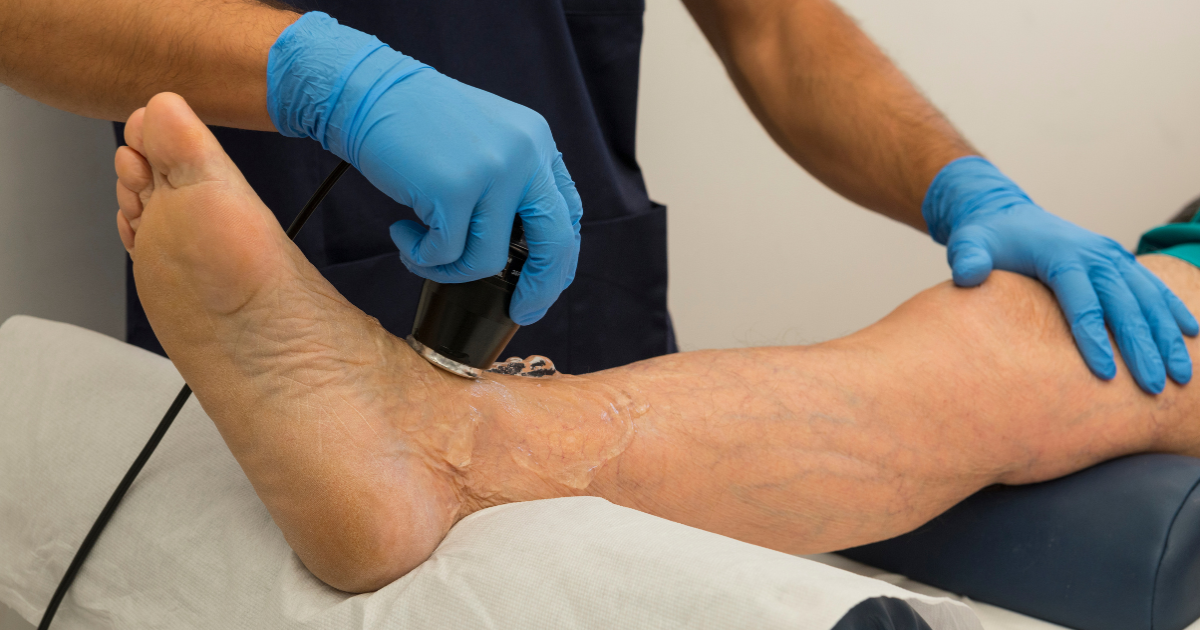


Psoriatic Arthritis (PsA) is a chronic autoimmune condition that causes joint pain, stiffness, swelling, and fatigue. For many people, exercise feels difficult or even frightening because they worry it may worsen their symptoms. However, research consistently shows that the right kind of exercise is one of the most powerful tools for managing PsA.
The key is choosing low-impact exercises—activities that protect your joints while improving strength, flexibility, and overall fitness.
This guide explains why exercise is important, which low-impact exercises are safest, and how to exercise without triggering flare-ups.
Why Exercise Is Important for Psoriatic Arthritis
When joints hurt, the natural reaction is to rest. But too much rest can make PsA worse.
Regular low-impact exercise helps to:
- Reduce joint stiffness
- Improve muscle strength and joint stability
- Increase range of motion
- Reduce fatigue
- Improve mood and sleep
- Support weight management
- Lower inflammation levels
- Reduce risk of heart disease (higher in PsA patients)
Important: Exercise does not replace medication, but it works best alongside proper medical treatment.
What Makes an Exercise “Low-Impact”?
Low-impact exercises:
- Put minimal stress on joints
- Avoid jumping or sudden movements
- Keep at least one foot on the ground or body supported
- Are controlled and smooth
These exercises are ideal for people with:
- Joint pain
- Swelling
- Tendon inflammation (enthesitis)
- Spine involvement (axial PsA)
Best Low-Impact Exercises for Psoriatic Arthritis
1. Swimming and Water Aerobics
Water supports your body weight and reduces pressure on joints by up to 90%.
Benefits:
- Improves flexibility
- Strengthens muscles
- Reduces stiffness
- Allows pain-free movement
Tips:
- Use warm water pools if possible
- Try water walking or gentle strokes
- Avoid sudden kicks if knees or hips hurt
Best for: Knee pain, back pain, widespread joint stiffness
2. Walking
Walking is one of the simplest and most effective exercises for PsA.
Benefits:
- Improves joint lubrication
- Strengthens leg muscles
- Boosts heart health
- Helps control weight
Tips:
- Wear cushioned, supportive shoes
- Walk on flat surfaces
- Start with 10–15 minutes
- Increase gradually
Best for: Mild-to-moderate PsA
3. Yoga
Yoga improves flexibility, balance, and stress control.
Benefits:
- Reduces stiffness
- Improves posture
- Calms the nervous system
- Helps manage pain perception
Recommended poses:
- Child’s pose
- Cat-cow stretch
- Seated spinal twist
- Gentle hip openers
Tips:
- Avoid deep knee bends or extreme twists
- Inform the instructor about your condition
Best for: Spine involvement, morning stiffness, stress-related flares
4. Cycling (Stationary or Outdoor)
Cycling strengthens leg muscles without heavy joint impact.
Benefits:
- Improves knee mobility
- Boosts endurance
- Supports heart health
Tips:
- Use low resistance
- Keep proper seat height
- Stationary bikes are safer during flares
Best for: Knee and hip PsA
5. Resistance Band Exercises
Resistance bands allow muscle strengthening without joint overload.
Benefits:
- Builds muscle support around joints
- Improves stability
- Reduces injury risk
Exercises:
- Arm curls
- Leg extensions
- Shoulder presses
- Hip abduction
Tips:
- Use light resistance
- Focus on slow, controlled movements
Best for: Hand, shoulder, and leg weakness
6. Stretching & Range-of-Motion Exercises
These exercises keep joints flexible and reduce stiffness.
Benefits:
- Improves joint lubrication
- Reduces morning stiffness
- Prevents contractures
Examples:
- Finger stretches
- Ankle circles
- Neck rotations
- Wrist flexion-extension
Best for: Daily maintenance
7. Pilates (Modified)
Pilates strengthens core muscles and improves posture.
Benefits:
- Reduces back pain
- Improves balance
- Supports spinal alignment
Tips:
- Choose beginner or therapeutic Pilates
- Avoid intense core strain
Best for: Axial PsA (spine)
8. Physiotherapy-Guided Exercises
Physiotherapists can design custom routines based on:
- Which joints are involved
- Your pain level
- Disease activity
- Mobility limitations
This is especially helpful if:
- You have severe joint damage
- You’ve had surgery
- You flare easily
Exercises to Avoid During Psoriatic Arthritis Flares
Avoid:
- Running or jumping
- High-impact aerobics
- Heavy weightlifting
- Deep squats
- Lunges with pain
- Competitive sports during flares
These can worsen inflammation and cause injury.
How Often Should You Exercise?
General guideline:
- Stretching: Daily
- Aerobic activity: 3–5 times per week
- Strength training: 2–3 times per week
Start small:
- 5–10 minutes
- Increase gradually
- Stop if pain worsens
When NOT to Exercise
Avoid exercise if:
- Joint is swollen and hot
- You have a fever
- You feel extremely fatigued
- Pain is severe
- You are in a major flare
Rest is part of treatment too.
Mental Benefits of Exercise in Psoriatic Arthritis
Exercise also improves:
- Anxiety
- Depression
- Sleep quality
- Self-confidence
- Pain tolerance
It reduces fear of movement and builds trust in your body.
Lifestyle Tips to Support Exercise
- Stay hydrated
- Eat anti-inflammatory foods
- Warm up before activity
- Cool down after exercise
- Use heat for stiffness
- Use cold for swelling
- Maintain healthy weight
When to Talk to Your Doctor
Consult your rheumatologist if:
- Exercise worsens pain
- You flare frequently
- You feel breathless
- You have joint instability
- You need a rehab plan
Medication adjustment may improve exercise tolerance.
Conclusion
Low-impact exercise is one of the safest and most effective ways to manage Psoriatic Arthritis. Activities like swimming, walking, yoga, cycling, and resistance band training protect joints while improving strength and mobility.
The goal is not perfection—it’s consistency.
By choosing the right exercises and listening to your body, you can stay active without worsening your symptoms and improve your quality of life.
Frequently Asked Questions (FAQ)
1.Is exercise safe for people with Psoriatic Arthritis?
Yes. Low-impact exercise is safe and recommended for most people with Psoriatic Arthritis. It helps reduce stiffness, improve joint strength, and control inflammation when done correctly.
2. What is the best exercise for Psoriatic Arthritis?
Swimming, walking, yoga, cycling, and resistance band exercises are among the best low-impact options because they strengthen muscles without stressing the joints.
3. Should I exercise during a Psoriatic Arthritis flare?
During a flare, avoid intense workouts. Gentle stretching and range-of-motion exercises may help, but rest is important if joints are swollen or painful.
4. Which exercises should be avoided in Psoriatic Arthritis?
Running, jumping, heavy squats, lunges, and high-impact sports should be avoided, especially during flare-ups.
5. Should I consult a doctor before starting exercise?
Yes, especially if you have severe joint pain, frequent flares, or spine involvement. A rheumatologist or physiotherapist can guide you safely.