

Introduction
Dermatomyositis (DM) is a rare autoimmune disease that primarily affects the skin and muscles. It causes distinctive rashes, progressive muscle weakness, and in some cases, may involve internal organs such as the lungs and heart.
Over the past few decades, research has highlighted another serious concern: the link between dermatomyositis and skin cancer. Studies suggest that people with dermatomyositis have a higher risk of developing skin cancer and sometimes other forms of cancer. For patients and families, understanding this association is essential for early detection, prevention, and better disease management.
This blog will explain why this link exists, what warning signs to look out for, and how patients can reduce their risk.
What is Dermatomyositis?
Dermatomyositis is classified as an idiopathic inflammatory myopathy. The hallmark features include:
- Skin symptoms: A red or purple rash, often on the face, eyelids, knuckles, chest, and back.
- Muscle weakness: Especially in the shoulders, upper arms, hips, and thighs, making daily activities such as climbing stairs or lifting objects difficult.
- Other symptoms: Fatigue, joint pain, swallowing difficulties, and in advanced cases, lung or heart involvement.
Dermatomyositis may occur in both adults and children, but cancer risk is particularly higher in adults over the age of 40.
Why is Dermatomyositis Linked to Skin Cancer?
1. Paraneoplastic Syndrome
In many patients, dermatomyositis is considered a paraneoplastic syndrome, meaning it occurs as a reaction of the immune system to an underlying cancer. In some cases, dermatomyositis symptoms appear months or even years before a cancer diagnosis.
2. Weakened Immune Surveillance
Dermatomyositis reflects an abnormal immune response. When the immune system malfunctions, it may fail to recognize and destroy early cancer cells, allowing them to grow unchecked.
3. Chronic Inflammation and UV Sensitivity
The skin in dermatomyositis patients is more sensitive to sunlight and chronic inflammation. Repeated sun exposure can further damage skin cells and increase the risk of skin cancer, especially melanoma and squamous cell carcinoma.
Types of Cancers Associated with Dermatomyositis
While dermatomyositis can be associated with different cancers, skin cancer remains a major concern. The most commonly linked cancers include:
- Melanoma – The most serious form of skin cancer, often appearing as new or changing moles.
- Squamous cell carcinoma (SCC) – Usually occurs in sun-exposed areas such as the face, scalp, and hands.
- Basal cell carcinoma (BCC) – Less aggressive but still significant.
- Other cancers: Ovarian, lung, breast, stomach, and colon cancers have also been reported in dermatomyositis patients.
Warning Signs Patients Should Not Ignore
Early detection is crucial. Patients with dermatomyositis should be alert to the following symptoms:
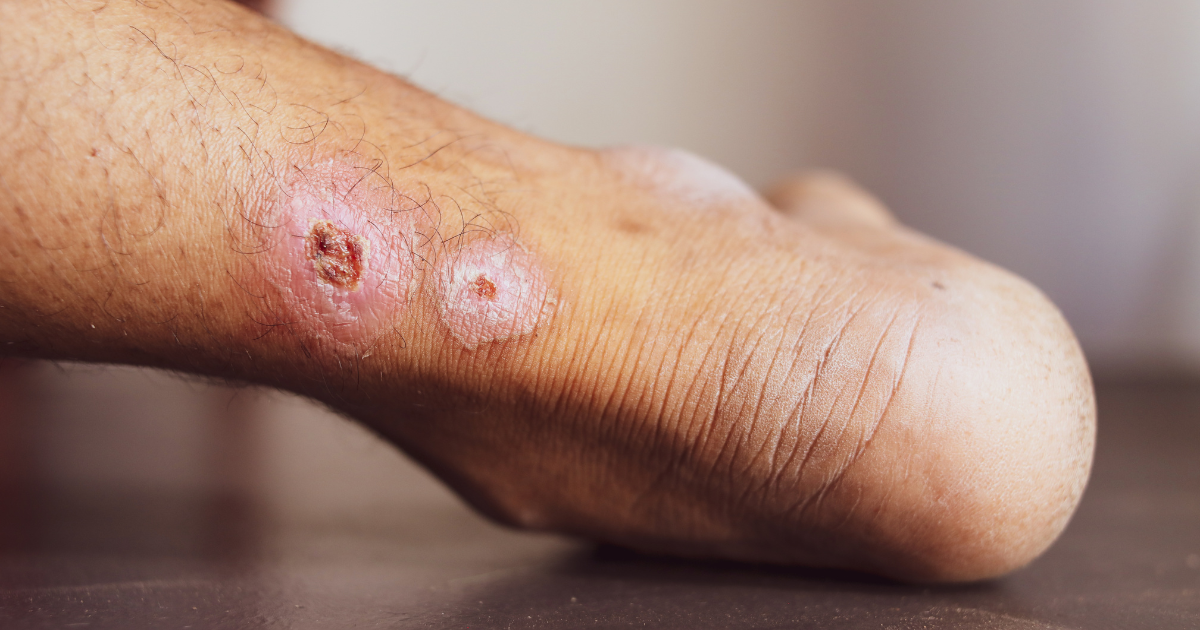
- A new skin lesion that does not heal.
- Rapidly growing moles or pigmented spots.
- Changes in existing moles – irregular borders, color changes, bleeding.
- Persistent skin ulcers or rough patches.
- Nodules under the skin or non-healing sores.
If any of these are noticed, immediate dermatological evaluation is necessary.
Screening and Prevention Strategies
1. Regular Cancer Screening
Patients with dermatomyositis should undergo comprehensive cancer screening, especially within the first 3–5 years after diagnosis, as the risk is highest during this period. Screenings may include:
- Skin examinations by a dermatologist.
- Pap smears and pelvic exams (for women).
- Chest imaging (X-ray or CT scan).
- Colonoscopy and endoscopy where indicated.
2. Routine Dermatology Check-Ups
Dermatologists play a key role in detecting suspicious skin changes early. Annual or bi-annual skin check-ups are strongly recommended.
3. Sun Protection
Because dermatomyositis patients are more sensitive to UV rays:
- Use broad-spectrum sunscreen (SPF 30 or higher).
- Wear protective clothing, hats, and sunglasses.
- Avoid peak sun hours (10 a.m. – 4 p.m.).
4. Healthy Lifestyle
- Maintain a balanced diet rich in antioxidants.
- Avoid smoking and alcohol.
- Stay physically active as tolerated.
- Manage stress, as it can worsen autoimmune activity.
Living with Dermatomyositis: Patient Perspective
Living with dermatomyositis can be overwhelming, especially when combined with the fear of cancer. However, awareness and proactive care can significantly reduce risks. Many patients live healthy, long lives by combining:
- Medical management (immunosuppressants, corticosteroids, biologics).
- Lifestyle modifications (healthy diet, exercise, stress management).
- Regular monitoring for cancer.
Empowerment comes from education – knowing the risks means patients and families can take timely action.
Conclusion
Dermatomyositis is more than just a skin and muscle disease – it may serve as a warning sign for underlying cancer, particularly skin cancer. By staying vigilant, attending regular screenings, protecting the skin from sun damage, and working closely with rheumatologists and dermatologists, patients can significantly improve their outcomes.
Remember: early detection saves lives. If you or someone you know has dermatomyositis, do not ignore unusual skin changes. Awareness is the first step toward prevention and better health.
FAQs
Q1: Does everyone with dermatomyositis develop cancer?
No. Not all patients develop cancer, but the risk is significantly higher compared to the general population.
Q2: How soon after dermatomyositis diagnosis should cancer screening start?
Screening should begin immediately after diagnosis and continue regularly, especially during the first 3–5 years.
Q3: Which type of skin cancer is most common in dermatomyositis patients?
Melanoma and squamous cell carcinoma are the most frequently reported.
Q4: Can lifestyle changes reduce the cancer risk in dermatomyositis?
Yes. Sun protection, healthy diet, avoiding smoking/alcohol, and regular medical check-ups can lower risks.
Q5: Is dermatomyositis always linked to cancer?
No. Some patients develop dermatomyositis without any cancer. Still, screening remains important.