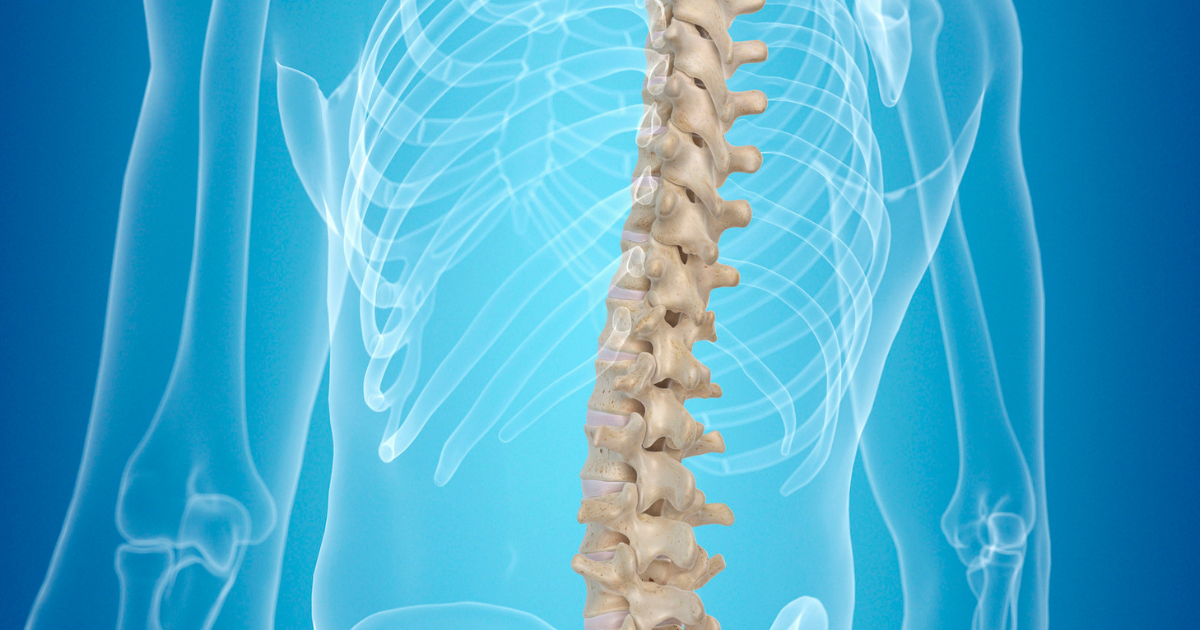

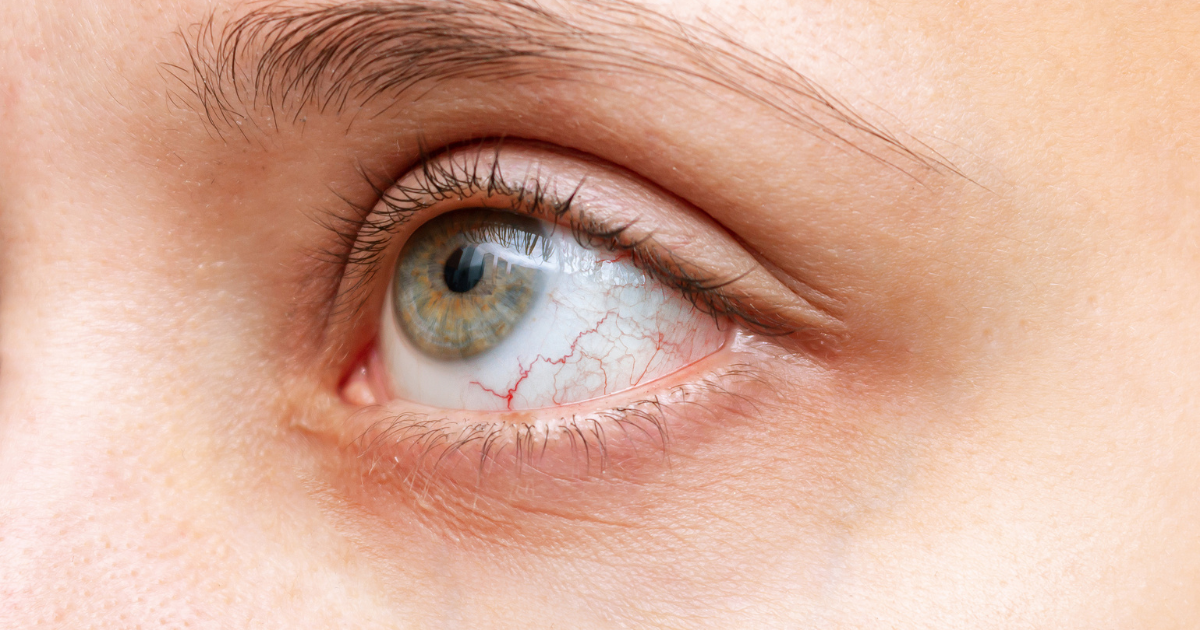
Juvenile arthritis is a long-term inflammatory condition that affects children below the age of 16. It is commonly associated with joint pain, swelling, stiffness, and difficulty with movement. However, many parents do not realise that juvenile arthritis can also affect a child’s eyes.
One of the most important eye complications associated with juvenile idiopathic arthritis (JIA) is uveitis, an inflammation of the middle layer of the eye. In some children, uveitis develops without noticeable symptoms. This means a child may have eye inflammation even when their vision appears normal and they do not complain of pain or discomfort.
Regular eye screening is therefore an essential part of managing juvenile arthritis. Early detection and timely treatment can help protect a child’s vision and reduce the risk of long-term complications.
In this blog, we explain the connection between juvenile arthritis and uveitis, the importance of regular eye examinations, and what parents should know to protect their child’s eyesight.
What Is Juvenile Arthritis?
Juvenile idiopathic arthritis is a group of inflammatory conditions that cause persistent joint inflammation in children. It can affect one or multiple joints and may lead to pain, swelling, stiffness, and reduced mobility.
Common symptoms include:
- Joint pain or swelling that persists.
- Morning stiffness or stiffness after resting.
- Difficulty walking, running, or participating in daily activities.
- Limping, especially after waking up.
- Reduced movement in one or more joints.
- Unexplained fever or skin rash in certain types of juvenile arthritis.
The symptoms and severity vary from child to child. Some children experience significant joint symptoms, while others may have relatively mild symptoms.
Importantly, juvenile arthritis can affect more than the joints. The eyes are one of the organs that may develop inflammation, making regular eye screening an important part of a child’s care.
What Is Uveitis in Children?
Uveitis is inflammation of the uvea, the middle layer of the eye. It can affect different parts of the eye and may occur in children with juvenile idiopathic arthritis.
Juvenile arthritis-associated uveitis is an important complication because it can develop gradually and may not cause obvious symptoms in its early stages.
In many children, the inflammation affects the front part of the eye, a condition called anterior uveitis. When the inflammation is chronic, it may remain active for a long time without causing noticeable redness or pain.
This is why parents should not rely only on their child’s complaints to determine whether an eye examination is necessary.
Why Are Children with Juvenile Arthritis at Risk of Uveitis?
Juvenile arthritis is an immune-mediated condition. The immune system, which normally protects the body against infections, becomes involved in inflammation affecting the joints and sometimes other parts of the body.
In some children, this inflammation also affects the eye.
However, not every child with juvenile arthritis develops uveitis. The risk depends on several factors, including the subtype of arthritis, the child’s age when the arthritis began, and certain laboratory findings.
Children with particular forms of juvenile arthritis, especially oligoarticular JIA, have a higher risk. Children who test positive for antinuclear antibodies (ANA) also have an increased risk of developing uveitis.
Younger children at the time of arthritis onset may be at greater risk of developing chronic, symptom-free uveitis.
These risk factors help doctors determine how frequently a child should undergo eye screening.
Can Uveitis Develop Without Symptoms?
Yes. Uveitis associated with juvenile arthritis can develop without obvious warning signs.
This is one of the main reasons regular eye screening is so important.
A child may not experience eye pain, redness, blurred vision, or sensitivity to light during the early stages. The inflammation may only be detected during a specialist eye examination.
Parents may assume that their child’s eyes are healthy because the child can read, watch television, attend school, and play normally. Unfortunately, normal-looking eyes do not always mean that inflammation is absent.
Without timely detection and treatment, chronic uveitis can cause complications that may affect vision.
Therefore, even if your child has no eye-related complaints, follow the screening schedule recommended by their rheumatologist and ophthalmologist.
Why Is Regular Eye Screening So Important?
Regular eye screening helps identify inflammation before it causes noticeable symptoms or lasting damage.
1. Uveitis May Not Cause Early Warning Signs
Children may not recognise or communicate subtle changes in their vision. Some may not experience discomfort even when inflammation is present.
Routine examinations allow an ophthalmologist to identify inflammation that cannot be detected by simply looking at the child’s eyes.
2. Early Detection Helps Protect Vision
Untreated uveitis can lead to serious eye complications. Detecting inflammation early allows doctors to begin appropriate treatment and monitor the response.
The goal is to control inflammation before it causes permanent damage.
3. Eye Complications Can Develop Gradually
Chronic inflammation may damage structures inside the eye over time. Complications can include:
- Cataracts: Clouding of the eye’s natural lens.
- Glaucoma: Increased pressure inside the eye or damage to the optic nerve.
- Synechiae: Adhesions between structures inside the eye.
- Macular oedema: Swelling in the central part of the retina responsible for detailed vision.
- Reduced vision: In severe or inadequately treated cases, lasting visual impairment may occur.
Regular examinations help doctors identify inflammation and potential complications as early as possible.
4. Eye Screening Complements Arthritis Treatment
Joint symptoms and eye inflammation do not always follow the same pattern. A child’s joints may feel better even while eye inflammation is developing.
Similarly, controlling joint symptoms does not automatically mean that uveitis is absent.
Eye screening provides additional information that helps the medical team manage the child’s overall health.
How Often Should Children with Juvenile Arthritis Have Eye Examinations?
The recommended frequency of eye screening depends on the child’s individual risk of developing uveitis.
Children with higher-risk features may need eye examinations every three months, while those at lower risk may require less frequent screening. The appropriate interval should be determined by the child’s treating specialists.
Factors that may influence the screening schedule include:
- The subtype of juvenile idiopathic arthritis.
- The age at which arthritis began.
- Antinuclear antibody (ANA) status.
- How long the child has had arthritis.
- Whether uveitis has previously been diagnosed.
- The child’s current eye condition and treatment plan.
Children who have already developed uveitis may need more frequent ophthalmology visits, depending on the severity of inflammation and how well it responds to treatment.
Important: Do not delay or skip scheduled eye examinations just because your child has no symptoms. Ask your child’s rheumatologist or ophthalmologist for an individual screening plan.
What Happens During an Eye Screening Examination?
Eye screening for children with juvenile arthritis is usually performed by an ophthalmologist, preferably one experienced in examining children and managing uveitis.
The examination may include the following steps:
1. Medical History
The doctor may ask about the child’s arthritis diagnosis, medications, previous eye problems, and any changes in vision.
2. Vision Assessment
The ophthalmologist may check how well the child can see using age-appropriate vision tests.
3. Slit-Lamp Examination
A slit-lamp examination is particularly important for detecting anterior uveitis. It allows the doctor to examine the structures at the front of the eye and look for signs of inflammation.
4. Pupil Dilation When Needed
Eye drops may be used to widen the pupils so the ophthalmologist can examine the inside of the eye more thoroughly.
The examination is generally straightforward, although some eye drops may cause temporary blurred vision or light sensitivity.
Parents should follow the ophthalmologist’s instructions before and after the appointment.
What Are the Warning Signs of Uveitis?
Although uveitis may be symptom-free, some children develop noticeable eye symptoms.
Contact an eye specialist if your child experiences:
- Redness in one or both eyes.
- Eye pain or discomfort.
- Blurred or reduced vision.
- Sensitivity to light.
- New floaters or spots in the field of vision.
- Difficulty seeing clearly or a noticeable change in visual behaviour.
Seek urgent medical assessment for sudden vision loss, severe eye pain, or a sudden significant change in vision.
Do not wait for the next routine screening appointment if new symptoms appear.
Remember that the absence of these warning signs does not rule out uveitis.
How Is Juvenile Arthritis-Associated Uveitis Treated?
Treatment depends on the location and severity of inflammation, the child’s overall health, and whether complications are present.
The main goal is to control inflammation, preserve vision, and prevent further eye damage.
1. Corticosteroid Eye Drops
For many children with active anterior uveitis, an ophthalmologist may prescribe corticosteroid eye drops to reduce inflammation.
These medicines require medical supervision because prolonged or frequent use can increase the risk of complications, including glaucoma and cataracts.
Parents should never start, stop, or change the dose of steroid eye drops without consulting the treating specialist.
2. Other Eye Medicines
Dilating eye drops may be prescribed in certain cases to relieve discomfort and reduce the risk of adhesions inside the eye.
The choice of medication depends on the child’s examination findings.
3. Systemic Medicines
If inflammation persists, returns frequently, or cannot be controlled adequately with eye drops, doctors may recommend medicines that work throughout the body.
Methotrexate is commonly used as a disease-modifying medicine in selected children. Biologic medicines, including adalimumab, may be considered when clinically appropriate.
The treatment plan should be decided jointly by the ophthalmologist and paediatric rheumatology team.
4. Regular Monitoring
Treatment does not end when symptoms improve. Follow-up examinations help doctors confirm that inflammation has resolved, monitor for complications, and adjust medication safely.
Parents should attend all scheduled appointments and report any new symptoms or medication-related concerns.
Can Treating Juvenile Arthritis Prevent Uveitis?
Treating joint inflammation is important, but it does not guarantee that a child will never develop uveitis.
Eye inflammation may develop independently of the severity of joint symptoms. A child whose arthritis appears well controlled may still need regular eye screening.
Appropriate arthritis treatment may help manage inflammation, and certain medicines are also used to treat associated uveitis. However, the decision to use or change medication depends on the child’s individual condition.
The most effective approach combines appropriate arthritis treatment, scheduled eye examinations, and prompt management of any detected inflammation.
What Can Parents Do to Protect Their Child’s Eyesight?
Parents play an important role in ensuring that children with juvenile arthritis receive appropriate eye care.
Follow these practical steps:
- Keep every screening appointment: Do not wait for symptoms before arranging a routine examination.
- Know your child’s risk level: Ask the rheumatologist how frequently eye screening is needed.
- Inform the eye specialist: Share details of the arthritis diagnosis, medicines, and previous eye examinations.
- Report new symptoms promptly: Seek medical advice if your child develops redness, pain, light sensitivity, or vision changes.
- Follow medication instructions: Never change prescribed eye drops or arthritis medicines without medical guidance.
- Coordinate care: Ensure the rheumatologist and ophthalmologist can communicate about your child’s treatment when necessary.
- Explain the importance of screening: Help your child understand that eye examinations are necessary even when their eyes feel normal.
Consistent follow-up can make a meaningful difference in detecting inflammation early and protecting long-term vision.
Conclusion
Juvenile arthritis can affect more than a child’s joints. Uveitis is an important associated complication that may develop without pain, redness, or other noticeable symptoms.
Regular eye screening is essential because early detection and appropriate treatment can reduce the risk of serious complications and help preserve vision. The frequency of screening depends on the child’s individual risk factors and medical history.
If your child has juvenile idiopathic arthritis, work closely with the treating rheumatologist and ophthalmologist to establish an appropriate eye-screening schedule. Do not wait for your child to complain about eye problems before arranging the recommended examinations.
Protecting a child’s vision begins with regular screening, early detection, and timely treatment.
Frequently Asked Questions (FAQs)
1. What is the connection between juvenile arthritis and uveitis?
Juvenile idiopathic arthritis is an inflammatory condition that can affect the eyes as well as the joints. Uveitis is inflammation inside the eye and may develop in some children with juvenile arthritis.
2. Can a child with juvenile arthritis develop uveitis without symptoms?
Yes. Chronic anterior uveitis can develop without obvious symptoms such as pain, redness, or blurred vision. Regular eye screening is important even when a child feels well.
3. How often should a child with juvenile arthritis have an eye examination?
The frequency depends on the child’s arthritis subtype, age at disease onset, ANA status, disease duration, and previous eye problems. Some higher-risk children need screening approximately every three months, while others may need less frequent examinations. The treating specialists should recommend the appropriate schedule.
4. Can juvenile arthritis-associated uveitis cause blindness?
Severe or inadequately treated uveitis can cause permanent visual impairment and, in some cases, blindness. Regular screening and timely treatment help reduce this risk.
5. Does every child with juvenile arthritis develop uveitis?
No. Not every child with juvenile arthritis develops uveitis. However, because it can occur without symptoms, all children should follow the eye-screening schedule recommended for their individual risk level.
6. Which children with juvenile arthritis have a higher risk of uveitis?
Children with certain JIA subtypes, younger age at arthritis onset, and positive antinuclear antibody (ANA) results may have a higher risk. A rheumatologist can help determine the child’s individual risk.
7. Can uveitis return after treatment?
Yes. Uveitis can recur, so follow-up examinations remain important even after inflammation improves. The ophthalmologist will determine how long monitoring should continue.
8. Which doctor should examine a child with juvenile arthritis for uveitis?
An ophthalmologist should perform the eye examination. Ideally, the child should be managed collaboratively by the ophthalmologist and the doctor treating their juvenile arthritis.