

Ankylosing Spondylitis (AS) is a chronic inflammatory disease that affects the spine, sacroiliac joints, and sometimes other organs. Many people believe AS is only about lower back pain — but the truth is very different. The early and silent symptoms of AS are often subtle and confusing, causing patients to ignore them for years. Because of this, Ankylosing Spondylitis is one of the most underdiagnosed rheumatologic diseases.
In this detailed blog, we will cover the hidden symptoms people commonly miss, why they occur, how they affect day-to-day life, and when to see a rheumatologist.
Why Ankylosing Spondylitis Symptoms Are Often Missed
Ankylosing Spondylitis progresses slowly and shows symptoms that look similar to normal tiredness, strain, muscle sprain, or aging.
Common reasons symptoms get ignored:
- Symptoms come and go
- Pain improves with movement (so people think it’s “normal pain”)
- Stiffness is mild in early stages
- Symptoms appear in different body parts
- Not everyone has high ESR/CRP
- X-rays may appear normal for years
Because of this, the first warning signs often get overlooked.
Silent Symptoms You Should Never Ignore
1. Pain That Wakes You Up at Night
One of the earliest—but most ignored—symptoms is night pain.
People think it’s due to:
- Wrong sleeping posture
- Old mattress
- Stress
- Fatigue
But AS pain is different.
If you wake up at 2–4 AM due to back or buttock pain, it may be inflammation.
Why it happens: Inflammation increases when your body rests for long hours. Lying still triggers stiffness and pain.
2. Pain That Gets Better With Movement, Not Rest
Unlike normal back pain, AS pain:
- Improves after walking
- Reduces with stretching
- Gets worse when you sleep or sit too long
People often ignore this, thinking:
“Maybe I’m sitting too much at work.”
But inflammatory pain is the exact opposite of mechanical pain.
3. Morning Stiffness Lasting More Than 30 Minutes
Most people think morning stiffness is due to age, cold weather, or tiredness.
But stiffness from AS:
- Lasts for 30–90 minutes
- Makes turning in bed difficult
- Makes it hard to bend or straighten up
- Improves as the day progresses
This long morning stiffness is one of the strongest early signs of AS.
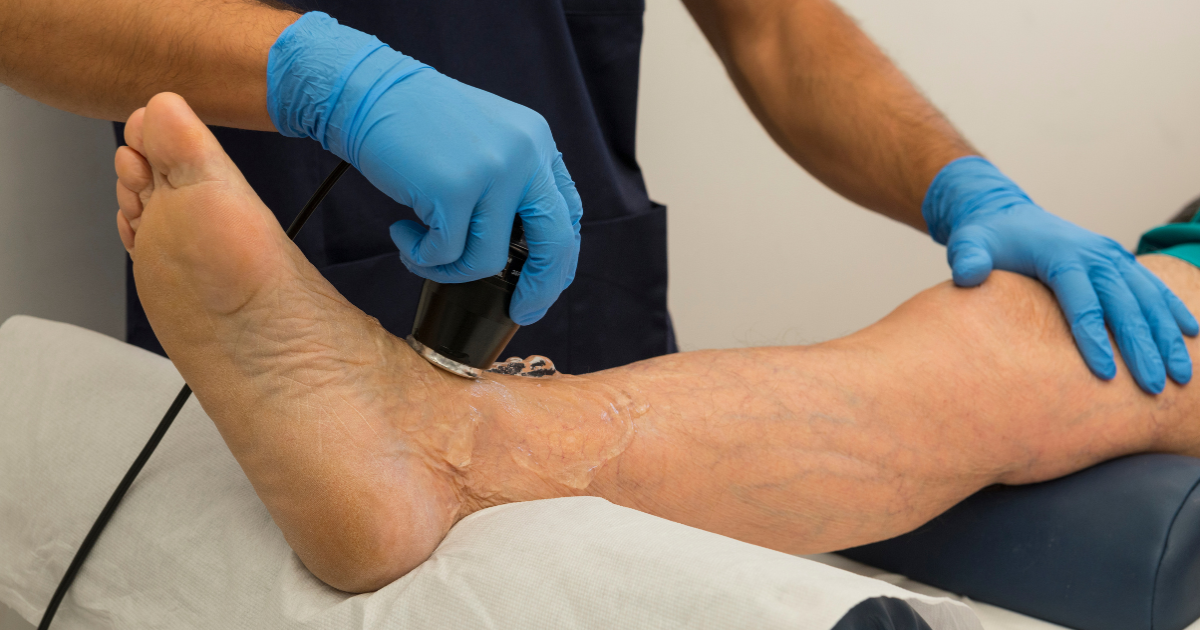
4. Heel Pain (Plantar Fasciitis or Achilles Pain)
Heel pain is extremely common in Ankylosing Spondylitis due to enthesitis — inflammation where tendons attach to bones.
People often misdiagnose it as:
- Wrong shoes
- Heel spur
- Over-walking
- Standing too long
But if heel pain keeps coming back or shifts sides, it could be early AS.
5. Alternating Buttock Pain
A classic silent symptom many patients ignore.
Pain shifts:
- Right buttock one week
- Left buttock the next week
This happens because the sacroiliac joints are inflamed.
Patients think it’s sciatica or muscle strain, but alternating pain is a key sign of AS.
6. Neck and Upper Back Pain Instead of Lower Back Pain
Women especially experience pain in:
- Neck
- Upper spine
- Shoulders
Because AS inflammation can affect the entire spine, not just the lower back.
This makes doctors and patients miss the correct diagnosis.
7. Sudden, Unexplained Fatigue
Chronic inflammation causes your immune system to work overtime, leading to extreme tiredness.
This fatigue feels like:
- Heavy body
- Low energy all day
- Feeling tired even after sleeping
- Difficulty concentrating
People think it’s thyroid, anemia, stress, or lifestyle — but fatigue is a silent sign of AS.
8. Chest Tightness or Difficulty Taking a Deep Breath
AS affects the joints between your ribs and spine.
This causes:
- Tight chest
- Pain when deep breathing
- Feeling breathless while climbing stairs
- Reduced lung expansion
Many mistake it for asthma or anxiety.
9. Eye Redness (Uveitis)
Almost 40% of AS patients develop uveitis at some point.
Symptoms include:
- Red eyes
- Light sensitivity
- Blurred vision
- Eye pain
But since it comes suddenly and resolves quickly, people don’t connect it to AS.
10. Digestion Issues You Keep Ignoring
Some AS patients develop bowel inflammation leading to:
- Bloating
- Abdominal discomfort
- Loose stools
- Alternating constipation
It is often misdiagnosed as IBS (Irritable Bowel Syndrome). But gut inflammation is strongly linked to AS.
11. Unexplained Jaw Pain
Inflammation in the temporomandibular joint (TMJ) can cause:
- Difficulty chewing
- Clicking jaw sound
- Jaw stiffness
Most people think it’s dental or stress-related — but it can be AS.
Early Warning Signs Summary
If you have:
✔ night pain
✔ long morning stiffness
✔ heel pain
✔ alternating buttock pain
✔ stiffness improving with activity
✔ fatigue
✔ eye redness
✔ chest tightness
✔ digestion problems
✔ widespread pain (neck, back, hips)
You need to see a rheumatologist.
Why Ignoring These Symptoms Is Dangerous
Delayed diagnosis leads to:
- Permanent spinal damage
- Joint fusion
- Reduced lung capacity
- Eye complications
- Severe chronic pain
- Poor quality of life
Early treatment can prevent long-term disability.
How to Confirm Ankylosing Spondylitis
A rheumatologist may recommend:
✔ MRI of sacroiliac joints
✔ ESR, CRP blood tests
✔ HLA-B27 test
✔ Physical examination
✔ X-rays (in later stages)
MRI is crucial because early AS does not show on X-rays.
Treatment Options for Ankylosing Spondylitis
1. Medications
- NSAIDs
- Biologics (TNF inhibitors, IL-17 inhibitors)
- Pain relievers
2. Exercise
- Regular stretching
- Yoga (with caution)
- Swimming
- Posture exercises
3. Lifestyle
- Quit smoking
- Maintain good posture
- Healthy diet
- Weight control
4. Physical Therapy
Improves flexibility and reduces stiffness.
Frequently Asked Questions (FAQs)
Q1. Can AS start without lower back pain?
Yes. Many people first feel neck, upper back, or heel pain.
Q2. Is morning stiffness a reliable sign of AS?
Yes. Stiffness >30 minutes strongly indicates inflammatory back pain.
Q3. Does every AS patient test positive for HLA-B27?
No. Many patients can be HLA-B27 negative and still have Ankylosing Spondylitis.
Q4. Can women have AS?
Absolutely. Symptoms in women are often milder and more widespread, causing delays in diagnosis.
Q5. When should I see a rheumatologist?
If you have inflammatory back pain, heel pain, alternating buttock pain, or unexplained fatigue for more than 3 months.
Conclusion
Ankylosing Spondylitis often begins with silent symptoms that people ignore for years. These subtle warning signs — morning stiffness, night pain, alternating buttock pain, fatigue, heel pain, and eye redness — should never be dismissed.
Early diagnosis ensures better treatment, less pain, and a healthier, more active life. If you notice even a few of these silent symptoms, consult a rheumatologist early.